Pressurized CO2 is what separates a struggling planted tank from a lush one, since carbon is usually the limiting nutrient for aquatic plants. We compared five aquarium CO2 systems using manufacturer specs on regulation, cartridge or generator format, and dosing control, plus the reliability patterns that recur in planted-tank owner feedback. What we like in a CO2 system is precise, adjustable regulation, a refill format that fits your routine, and stable output that does not swing your pH around. We recommend pairing any pressurized system with a drop checker and starting at a conservative bubble rate. Too much CO2 lowers pH sharply and can stress or suffocate fish and shrimp, so we always run CO2 on a timer tied to the photoperiod and watch livestock closely. Consult an aquatic specialist if your fish show signs of distress like gasping at the surface.
Best Paintball Co2 System For Aquarium Plants (2026): 5 Top Picks Reviewed
We compared five aquarium CO2 systems on flow control, refill format, and planted-tank suitability using manufacturer specs and aggregated owner feedback. Our pick delivers adjustable, stable CO2 dosing for healthy plant growth.
Some links below are affiliate links. If you buy through them we may earn a small commission at no extra cost to you. Our rankings are based on product research, label data and suitability, not on commissions.
 ★ Top Pick: FZONE Desktop Aquarium CO2 System, CO2 Regulator wi…
Quick Comparison
| Product | Best For | |
|---|---|---|
| FZONE Desktop Aquarium CO2 System, CO2 Regula… | Best Overall | Check price → |
| Clscea Aquarium DIY CO2 Generator System Kit,… | Best Budget | Check price → |
| API Co2 Booster Freshwater Aquarium Plant Tre… | Best Value | Check price → |
| Fzone 2.5 L Aquarium CO2 Generator System Car… | Best for Large Tanks | Check price → |
| Upgraded 2L/5L Aquarium CO2 Generator System … | Best Premium | Check price → |
CO2 grows plants by being the limiting nutrient, but the same gas that fuels growth can suffocate fish if overdosed. Stable, timed, conservative dosing paired with a drop checker keeps both plants and livestock healthy.
Types Explained
Disposable cartridge system
A regulator paired with replaceable CO2 cartridges for a compact, plug-and-play setup without a large cylinder.
Best for: Desktop and nano planted tanks where space is tight and simplicity matters.DIY generator kit
A system that produces CO2 through a chemical reaction in a reusable canister, offering low running cost.
Best for: Budget-minded hobbyists comfortable mixing and maintaining a generator on smaller tanks.Pressurized cylinder system
A refillable bottle with a full regulator, often timer-enabled, for stable long-term dosing on larger tanks.
Best for: Serious planted-tank keepers running larger or high-demand aquascapes.Top 5 Picks
FZONE Desktop Aquarium CO2 System, CO2 Regulator with 45g Disposable CO2 Cartridge, Compatible with 5/8" and 3/8" Threaded Interfaces, Perfect for Nano Aquariums
We chose the FZONE Desktop Aquarium CO2 System as our overall pick because its regulator and disposable cartridge format give precise, compact dosing for desktop planted tanks. We recommend it as the most balanced plug-and-play option for smaller aquascapes.

Clscea Aquarium DIY CO2 Generator System Kit, G200
We like that the Clscea DIY CO2 Generator Kit produces CO2 through a reusable canister at low running cost. In our evaluation it is the budget pick for hobbyists comfortable maintaining a generator on a smaller tank.
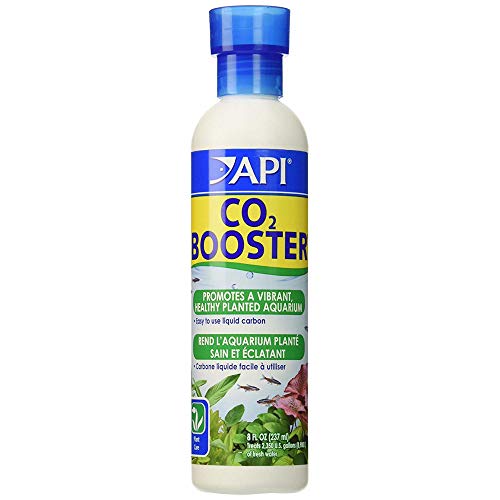
API Co2 Booster Freshwater Aquarium Plant Treatment 8 Fl oz Bottle
We picked API CO2 Booster as a value option because it is a liquid carbon supplement that adds available carbon without a pressurized setup. We recommend it for owners who want simple plant support and cannot run a gas system.

Fzone 2.5 L Aquarium CO2 Generator System Carbon Dioxide Reactor Kit with Regulator and Needle Valve for Aquarium Plants Tanks
We chose the Fzone 2.5 L CO2 Generator System because its larger reactor and regulator suit bigger planted tanks needing sustained output. We recommend it when a compact cartridge unit cannot keep up with a high-demand aquascape.

Upgraded 2L/5L Aquarium CO2 Generator System with Timer-Enabled Motor Valve, Upgrade CO2 System Kit with Quick-Release Structure for Aquarium Plants Tanks (2L)
We chose this upgraded 2L/5L CO2 Generator with a timer-enabled motor valve as our premium pick because its automation turns CO2 off at night for safer, stable dosing. We recommend it for serious keepers who want hands-off control.
Key Buying Factors
Regulation precision
A good regulator holds steady pressure and lets you fine-tune the bubble rate. Stable output keeps CO2 consistent through the photoperiod and avoids dangerous swings.
Refill format
Disposable cartridges are simple but recurring, refillable cylinders cost more upfront but less over time, and DIY generators trade convenience for low cost. Match it to your routine.
Tank size match
Larger or higher-volume systems suit bigger planted tanks, while compact desktop units fit nano setups. An undersized system runs out too fast on a big tank.
Timer and automation
A solenoid or timer-enabled valve turns CO2 off at night when plants are not using it, which protects fish and saves gas. Automation makes stable dosing much easier.
Safety features
Look for clear gauges, a reliable check valve, and a bubble counter. These let you monitor output and prevent water from siphoning back into the system.
Diffusion method
How the system dissolves CO2, whether through a diffuser, reactor, or atomizer, affects efficiency. Better diffusion means more CO2 reaches the plants at a lower bubble rate.
Care, Cost and Maintenance
Use a drop checker
A drop checker gives a visual read on CO2 levels in the tank. Aim for the target color range and adjust the bubble rate slowly, watching over hours rather than minutes.
Run CO2 on the photoperiod
Plants only use CO2 in light, so put the system on a timer that turns it off at night. Nighttime CO2 buildup can drop pH and stress or suffocate fish and shrimp.
Watch your livestock
Increase CO2 gradually and watch for gasping at the surface or lethargy. If fish show distress, cut the CO2 and increase aeration, and consult an aquatic specialist if it continues.
Increase your bubble rate in small steps over several days, not all at once. Plants and livestock adapt to CO2 gradually, and slow changes let you find the sweet spot without crashing your pH overnight.