Quick answer
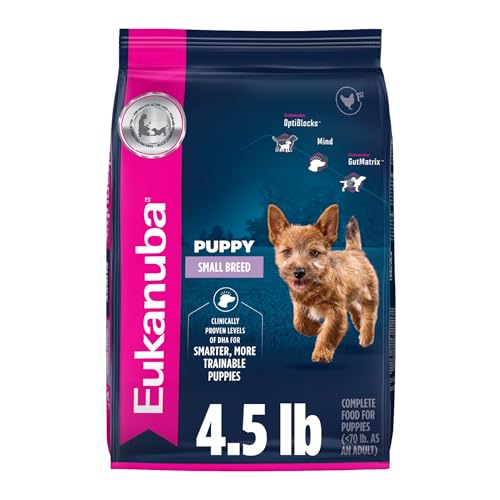
For most adult pit bull type dogs, our editorial team rates Purina Pro Plan Sport All Life Stages High Protein 30/20 Chicken and Rice as the best overall pick. It leads with real chicken, delivers a higher protein and fat ratio that suits an active, muscular build, and carries an AAFCO complete and balanced statement. If your dog has a sensitive stomach or itchy skin, Hill’s Science Diet Adult Sensitive Stomach and Skin is a better fit. On a tighter budget, Diamond Naturals Adult Chicken and Rice covers the basics well. For a puppy, choose Eukanuba Puppy, and if you want a grain inclusive everyday formula, Blue Buffalo Life Protection Adult Chicken and Brown Rice works. Always confirm the right life stage for your dog and consult your veterinarian about any health condition.
What to consider for Dog Food For Pitbull
Pit bull is a type, not a single breed, and it usually covers the American Pit Bull Terrier, American Staffordshire Terrier, and Staffordshire Bull Terrier. These dogs are typically lean, muscular, and athletic, often in the 30 to 65 pound range, so they are usually classed as medium breed rather than giant breed for feeding purposes. That means a standard adult formula is generally appropriate, and you rarely need a large breed specific recipe unless your individual dog runs heavier.
Three practical issues come up often with this type. First, food and environmental sensitivities that show as itchy skin, ear issues, or loose stools, which can make a limited or sensitive recipe worth discussing with your vet. Second, an active metabolism that benefits from quality protein to support lean muscle. Third, a tendency toward easy weight gain when activity drops, so portion control matters. None of these are guarantees for an individual dog, and a vet can tell you whether a specific concern applies to yours.
What to look for in a dog food
Start with an AAFCO complete and balanced statement printed on the bag for the correct life stage, either adult maintenance, growth, or all life stages. This is the single most important label feature for a primary diet. Next, look for a named meat as the first ingredient, such as chicken, beef, lamb, or salmon, rather than a vague unnamed meat meal. For an active adult of this type, a protein level often in the rough range of 25 to 30 percent and fat around 12 to 18 percent on a dry matter or as fed basis is a sensible starting point, though the right numbers depend on your dog’s age, activity, and body condition. Calorie density also matters because a lean working build needs enough energy, while a couch potato needs less to avoid weight gain. Since most pit bull type dogs are medium sized, a standard adult formula is usually suitable, and a true large breed recipe is only needed if your dog is unusually heavy. Where your dog is older or very active, look for omega fatty acids and joint support such as glucosamine and chondroitin, which some foods include to support skin, coat, and joint comfort. These are supportive ingredients, not treatments, so ask your veterinarian before relying on food to manage any diagnosed condition.
How we chose these picks
- We compared products using publicly available manufacturer information, ingredient panels, and label data rather than personal or veterinary testing.
- We required an AAFCO complete and balanced statement for the appropriate life stage on every pick.
- We favored recipes with a named meat as the first ingredient over vague meat meals.
- We checked that protein, fat, and calorie levels were sensible for an active, muscular medium breed.
- We prioritized widely sold brands with consistent availability and an established manufacturing track record.
- We noted sensitivities common to this type and included a sensitive stomach and skin option.
- We reviewed each brand’s public recall history and looked for transparency around sourcing and nutrient profiles.
- Never ranked a product higher just because it pays a commission.
What to avoid
- An unnamed “meat meal” listed as the only protein source, with no species named, which tells you little about quality or consistency.
- Defaulting to grain-free or legume-heavy recipes without a reason. The FDA investigation into a potential link between certain diets and canine dilated cardiomyopathy is ongoing, and a grain inclusive food is the safer default for most dogs unless your veterinarian advises otherwise.
- Feeding an all life stages or adult maintenance food to a large breed puppy, since growing pups have specific calcium and energy needs that a growth formula is built to meet.
- Abrupt diet switches. Transition over about 7 to 10 days by gradually mixing new food into the old to reduce the risk of stomach upset.
For more guidance, browse our dog guides, our dog food reviews, and our dog nutrition articles.