Quick answer
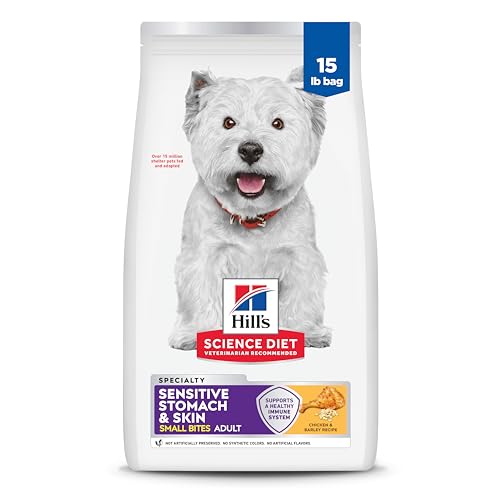
For most Miniature Poodles, our editorial team leans toward Royal Canin Miniature Poodle Adult Dry Dog Food as the top pick because it is formulated for small breeds, carries an AAFCO complete and balanced statement for adult maintenance, and uses a kibble shape suited to a small mouth. If your Poodle has a sensitive stomach, Hill’s Science Diet Small Paws Sensitive Stomach and Skin may fit better. On a tighter budget, Diamond Naturals Small Breed Adult is a sensible grain inclusive choice, while Royal Canin Mini Puppy suits a growing pup and Wellness Complete Health Small Breed is a strong grain inclusive all rounder. Always confirm the life stage matches your dog and ask your veterinarian before switching foods for any medical reason.
What to consider for Dog Food For Mini Poodle
A Miniature Poodle usually weighs about 10 to 15 pounds and is energetic, intelligent, and prone to gaining weight if overfed, so portion control matters more than with many breeds. Small mouths and crowded teeth mean dental tartar can build quickly, so a small, easy to chew kibble and good dental care help. Poodles can be prone to certain conditions such as patellar luxation, and some lines have sensitive skin or digestion, so a recipe with named protein and steady fat is reasonable. Because they are small but high energy, calorie dense small breed formulas help them meet needs in modest portions. Any specific health concern should be discussed with your veterinarian.
What to look for in a dog food
Look first for an AAFCO complete and balanced statement for the correct life stage, either adult maintenance or growth depending on your dog’s age. A named meat as the first ingredient, such as chicken, lamb, or salmon, is preferable to a vague “meat” entry. For an adult small breed, protein in roughly the 25 to 32 percent range and fat around 12 to 18 percent on a dry matter basis are common and practical, though your dog’s needs vary. Calorie density often sits near 350 to 450 calories per cup, which matters for portioning a small dog. Choose a small breed formula for kibble size and calorie density, and modest omega 3 fatty acids may support skin and coat. These are general guides, not medical rules, so consult your veterinarian for any condition.
How we chose these picks
- We compared products using publicly available manufacturer information, ingredient panels, and stated AAFCO nutritional adequacy statements.
- We prioritized small breed formulas with appropriate kibble size and calorie density for a 10 to 15 pound dog.
- We favored recipes that name a specific meat as the first ingredient over vague protein sources.
- We checked that each food states a complete and balanced claim for a clear life stage.
- We considered grain inclusive options as a sensible default given the ongoing FDA investigation into diet and canine DCM.
- We weighed common, honestly reported trade offs such as price, palatability, and ingredient sensitivities.
- We looked for established brands with consistent formulas and accessible nutritional information.
- Never ranked a product higher just because it pays a commission.
What to avoid
- Foods that list only an unnamed “meat meal” as the protein, with no specific animal named.
- Defaulting to grain free or legume heavy recipes. The FDA investigation into a potential link between certain diets and canine dilated cardiomyopathy is ongoing, so a grain inclusive recipe is the safer default unless your veterinarian advises otherwise.
- Feeding an all life stages or adult formula to a large breed puppy, since growth needs differ. For a Miniature Poodle pup, use a small breed puppy or growth formula.
- Abrupt diet switches. Transition over about 7 to 10 days by gradually mixing the new food with the old to reduce digestive upset.
For more help choosing, browse our dog guides, our dog food roundups, and our dog nutrition articles.