Quick answer
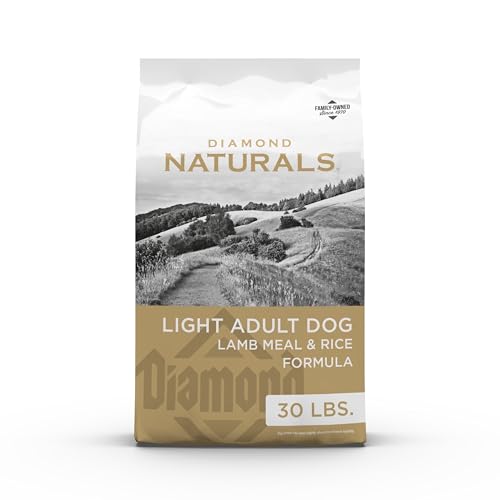
For most adult Pointers, our top pick is Purina Pro Plan Sport Performance 30/20, because its higher protein and fat profile is formulated to fuel the sustained activity these sporting dogs are bred for, and it carries an AAFCO complete and balanced statement. If your Pointer has a sensitive stomach, Hill’s Science Diet Adult Sensitive Stomach & Skin is a gentler choice. On a tighter budget, Diamond Naturals Active Dog delivers a named-meat-first recipe at a lower cost per pound. For a Pointer puppy, choose Purina Pro Plan Puppy sized to the dog’s expected adult weight, and for owners who prefer a grain-inclusive everyday diet, Eukanuba Adult is a solid all-rounder.
What to consider for Dog Food For Pointer
Pointers (English Pointers and German Shorthaired Pointers among them) are athletic, deep-chested working dogs with fast metabolisms. A field-active or daily-running Pointer can burn far more energy than a couch companion, so calorie needs vary widely by individual. Many owners find an energy-dense food helps maintain lean condition without serving huge portions, but a less active or neutered Pointer can gain weight on the same food, so portioning to body condition matters more than any label.
Because Pointers are deep-chested, they may carry a higher relative risk of gastric dilatation and bloat. Our editorial team is not making a medical claim here, but it is a reason many owners split the daily ration into two meals and avoid heavy exercise right around feeding. Talk to your veterinarian about bloat risk and feeding routine for your individual dog. Joint support also matters for an active sporting breed, since the running and jumping put real load on hips and elbows over a lifetime.
What to look for in a dog food
Start with the AAFCO complete and balanced statement for the correct life stage. For an adult Pointer you want “adult maintenance”; for a growing puppy you want “growth,” and for a large-framed pup, “growth including large size dogs.” Look for a named meat as the first ingredient, such as chicken, beef, lamb, or salmon, rather than a vague “meat meal.”
As a practical starting range rather than a medical rule, many active adult formulas land around 25 to 32 percent crude protein and 14 to 20 percent fat, with roughly 350 to 450 kcal per cup. Higher-fat sport formulas suit hard-working dogs, while a calmer Pointer may do better on a moderate-calorie adult food to avoid weight gain. Pointers are a medium to large breed, so a standard or large-breed adult recipe usually fits better than a small-breed one. Joint and omega support, such as added omega-3 fatty acids and naturally sourced glucosamine, can be helpful for an active sporting dog, though you should ask your veterinarian before adding any supplement.
How we chose these picks
- Prioritized foods carrying an AAFCO complete and balanced statement for the stated life stage.
- Required a named animal protein (not an unnamed “meat meal”) as the first ingredient.
- Favored protein, fat, and calorie levels appropriate for an active, medium to large sporting breed.
- Checked that each product is currently and widely sold so readers can actually buy it.
- Compared formulas using publicly available manufacturer information and established nutrition guidance, not personal lab testing.
- Reviewed each brand’s general recall history through public FDA records and noted that the grain-free DCM investigation remains ongoing.
- Included options across budgets, life stages, and sensitive-stomach needs so different Pointers are covered.
- Never ranked a product higher just because it pays a commission.
What to avoid
- Foods that list only an unnamed “meat meal” as the protein source, with no named animal first.
- Defaulting to grain-free or legume-heavy recipes. The FDA investigation into a potential link between certain diets and canine dilated cardiomyopathy (DCM) is ongoing, so grain-inclusive is the safer default unless your veterinarian advises otherwise for a specific medical reason.
- Feeding an “all life stages” food to a large-breed Pointer puppy, since controlled calcium and growth nutrients matter for big-framed pups; choose a growth formula suited to large-size dogs.
- Abrupt diet switches. Transition over about 7 to 10 days, mixing increasing amounts of the new food, to reduce the chance of digestive upset.
For more breed-specific feeding help, browse our dog guides, our dog food reviews, and our dog nutrition resources.