Quick answer
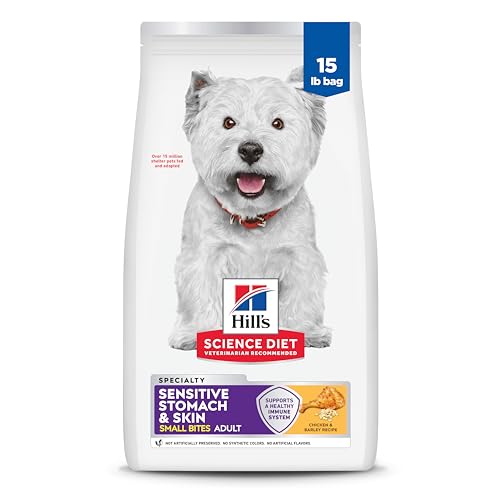
For most adult Maltipoos, our top pick is Royal Canin Small Breed Adult Dry Dog Food because it carries an AAFCO complete and balanced statement for adult maintenance, leads with a named protein, and uses a small kibble shape that suits tiny mouths. If your Maltipoo has a sensitive stomach, Hill’s Science Diet Small Paws Sensitive Stomach and Skin is a better fit. For puppies under one year, choose Purina Pro Plan Small Breed Puppy. On a tighter budget, Diamond Naturals Small Breed Adult Chicken and Rice delivers a named meat first at a lower cost, and Wellness Complete Health Small Breed Adult is our pick when you want a grain-inclusive recipe with omega support. Always confirm the right choice with your veterinarian, especially if your dog has a medical condition.
What to consider for Dog Food For Maltipoo
A Maltipoo is a cross between a Maltese and a Toy or Miniature Poodle, so most adults weigh roughly 5 to 20 pounds. That small size shapes the food decision more than almost anything else. Tiny dogs have fast metabolisms and small stomachs, so they generally need a calorie-dense food in small, frequent portions rather than one big meal. Kibble size matters too, because large pieces can be hard for a small jaw to chew and may be swallowed whole.
Maltipoos can be prone to dental crowding common in toy breeds, so a small-breed kibble that the dog actually chews can help with mechanical cleaning, though it is not a substitute for brushing or veterinary dental care. Some Maltipoos also have sensitive skin or stomachs, and the curly Poodle-type coat does best when the diet supplies adequate fat and omega fatty acids. Because toy dogs can be at higher risk of low blood sugar when very young or very small, puppies in particular benefit from regular feeding and a food formulated for their life stage. If you ever see weakness, trembling, or collapse, contact your veterinarian promptly.
What to look for in a dog food
First, look for an AAFCO complete and balanced statement for the correct life stage, either adult maintenance or growth, printed on the bag. This statement signals the recipe is designed to be a full diet, not a topper. Second, look for a named meat as the first ingredient, such as chicken, turkey, lamb, or salmon, rather than a vague “meat meal” with no species named.
For practical nutrient ranges on a dry-matter or as-fed basis, many adult small-breed maintenance foods land around 22 to 30 percent protein and 12 to 18 percent fat, while puppy formulas often run a bit higher. Small breeds usually need calorie-dense food because portions are tiny, so many small-breed kibbles sit around 350 to 450 calories per cup. These are general ranges to help you compare labels, not medical rules, and your veterinarian can tailor targets to your individual dog. Because Maltipoos are small, choose a small-breed or toy formula rather than a large-breed one. Omega-3 and omega-6 fatty acids may support skin and coat condition, and added glucosamine or chondroitin may support joints, though individual results vary.
How we chose these picks
- We confirmed each food carries an AAFCO complete and balanced statement for the relevant life stage.
- We prioritized recipes that list a named meat, such as chicken or salmon, as the first ingredient.
- We favored small-breed or toy formulas with appropriately small kibble for tiny jaws.
- We compared protein, fat, and calorie levels against typical small-breed needs using publicly available product information.
- We checked manufacturer information for sensitive-stomach and skin and coat support where relevant.
- We weighed value across price tiers so budget-conscious owners have an honest option.
- We reviewed widely reported owner feedback for recurring concerns rather than one-off complaints.
- Never ranked a product higher just because it pays a commission.
What to avoid
- Recipes that list only an unnamed “meat meal” as the protein source, with no species named.
- Defaulting to grain-free or legume-heavy recipes without a reason. The FDA investigation into a potential link between certain diets and canine dilated cardiomyopathy is ongoing, and a grain-inclusive food is generally the safer default unless your veterinarian advises otherwise.
- Feeding an all-life-stages food long term to a dog with special needs without checking with your vet. The opposite trap matters too for big dogs: never feed all-life-stages food to a large-breed puppy, since it can carry too much calcium for proper growth.
- Abrupt diet switches. Transition over about 7 to 10 days by mixing increasing amounts of the new food to reduce the chance of stomach upset.
For more help choosing and feeding the right diet, browse our dog guides, our dog food reviews, and our dog nutrition articles.