Quick answer
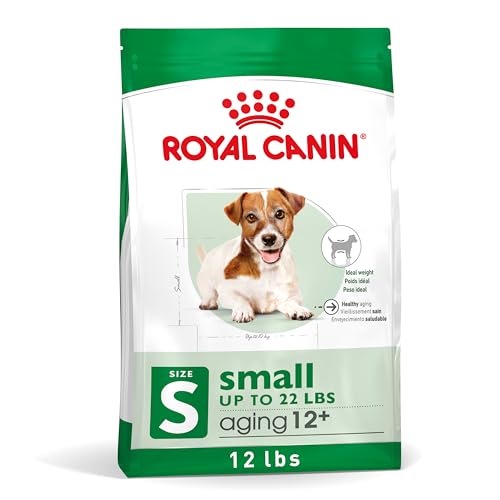
For most senior small dogs, our top pick is Hill’s Science Diet Small Paws 7+ Senior Adult Chicken Meal, Barley and Brown Rice. It pairs a named meat first ingredient, small kibble sized for tiny mouths, and an AAFCO complete and balanced statement for mature adult maintenance, plus added omega support and a grain inclusive recipe. If your senior dog has a sensitive stomach, the Purina Pro Plan Small Breed Sensitive Skin and Stomach formula may fit better. On a tighter budget, Diamond Naturals Small Breed Senior gives solid value, while Royal Canin Small Aging 12+ suits very old toy breeds and Blue Buffalo Life Protection Small Breed Senior offers a grain inclusive option with deboned chicken first.
What to consider for Dog Food For Senior Small Dog
Senior small dogs, generally toy and small breeds over about 7 to 8 years old, have a few specific needs that differ from large breeds and from younger dogs. They have tiny mouths and often dental wear or missing teeth, so small kibble size matters for chewing and to reduce choking risk. They have fast metabolisms relative to body size yet usually lower activity in their senior years, so calorie density and portion control become important to prevent weight gain, which stresses aging joints. Many small breeds are prone to dental disease, luxating patella, and tracheal or back issues, so maintaining a healthy weight and supporting joints can help. Senior dogs may also digest food less efficiently and can be pickier eaters, so palatability and digestibility count. Hydration and kidney function become more of a concern with age, which is one reason some owners add wet food. None of this replaces veterinary guidance. If your dog has a diagnosed condition such as kidney disease, heart disease, or diabetes, talk to your veterinarian before choosing a diet, because a prescription or therapeutic food may be more appropriate.
What to look for in a dog food
Start with the AAFCO statement. For a senior small dog you want a food labeled complete and balanced for adult maintenance or for all life stages, since there is no separate AAFCO senior life stage. Look for a named meat as the first ingredient, such as chicken, deboned chicken, lamb, or salmon, rather than a vague meat by product or an unnamed meat meal standing alone. On macronutrients, sensible general ranges for an adult or senior small dog are roughly 18 to 30 percent protein and around 8 to 18 percent fat on a dry matter basis, though the right numbers depend on your individual dog. Because small breeds need calorie dense food in tiny portions, check calories per cup and measure carefully to avoid overfeeding. Small breed suitability matters: choose small or mini kibble shapes, and skip large breed formulas, which are sized and balanced differently. Where relevant, look for joint and omega support, such as glucosamine, chondroitin, and omega 3 fatty acids from fish oil or flaxseed, which some senior diets include to support mobility and skin and coat. These are supportive ingredients, not treatments, and individual results vary.
How we chose these picks
- We focused on formulas labeled for small or mini breeds, or with small kibble, suited to senior or mature adult small dogs
- We required an AAFCO complete and balanced statement for adult maintenance or all life stages on each product
- We prioritized recipes with a named meat as the first ingredient over unnamed meat meals
- We compared protein, fat, and calorie information using publicly available manufacturer data
- We favored grain inclusive recipes as a sensible default given the ongoing FDA investigation into diet and canine DCM
- We noted joint and omega support ingredients where the manufacturer lists them, without treating them as medical claims
- We checked that each brand is widely sold and currently available, and we flagged at least one honest trade-off per pick
- Never ranked a product higher just because it pays a commission
What to avoid
- An unnamed meat meal listed as the only protein source, with no named animal protein near the top of the ingredient list
- Defaulting to grain-free or legume-heavy recipes without a reason. The FDA investigation into a potential link between certain diets and canine dilated cardiomyopathy is ongoing, and a grain inclusive diet is the safer default unless your veterinarian advises otherwise
- Feeding an all-life-stages food to a large-breed puppy, since these formulas may not control calcium and growth appropriately for big breeds (not relevant to your senior small dog, but a common labeling mistake)
- Abrupt diet switches. Transition over about 7 to 10 days, mixing increasing amounts of the new food, to reduce the risk of digestive upset in an aging stomach
For more help choosing, browse our dog guides, our dog food roundups, and our dog nutrition resources.