Quick answer
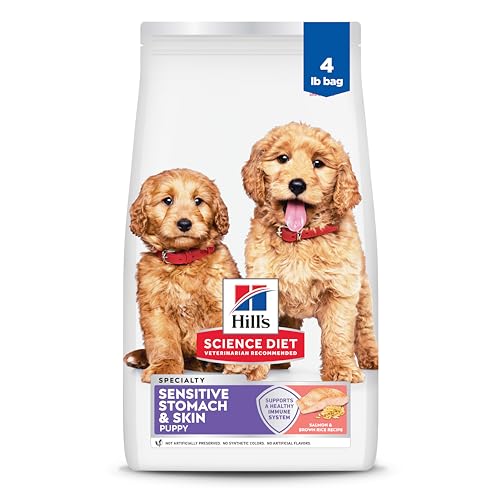
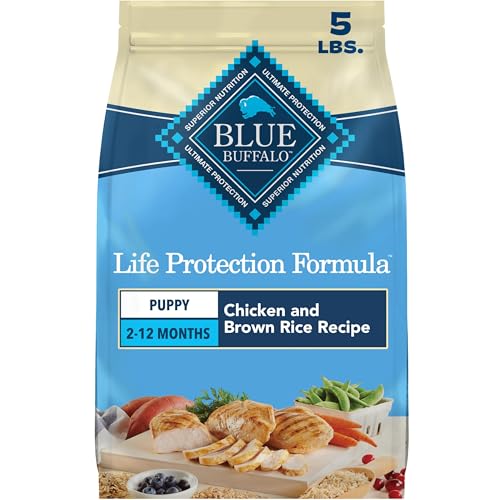
For most Pitbull puppies, our top overall pick is Purina Pro Plan Puppy Large Breed Chicken & Rice. It carries an AAFCO complete and balanced statement for growth (including the large size of dogs as adults), leads with a named meat, and uses controlled calcium and calorie levels that support steady, slower bone growth rather than rapid weight gain. If your puppy has a sensitive stomach, Hill’s Science Diet Puppy Sensitive Stomach & Skin fits better. On a tight budget, Diamond Naturals Large Breed Puppy Lamb & Rice delivers strong value, while Royal Canin Pit Bull Puppy is the most breed-specific option and Blue Buffalo Life Protection Puppy suits owners who want a grain-inclusive recipe with a named meat first.
What to consider for Puppy Food For Pitbull
American Pit Bull Terriers and similar bully breeds typically reach roughly 30 to 65 pounds as adults, which places many of them at the upper end of the medium range or into large-breed territory. That distinction matters more than most owners expect. Large and large-leaning puppies are vulnerable to developmental orthopedic problems if they grow too fast or get too much calcium, so a controlled calcium level (commonly cited around 1.0 to 1.5 percent on a dry matter basis) and a moderate calorie density help. Pitbulls are also muscular, active dogs, so they benefit from solid, named-meat protein, usually in the 26 to 32 percent range for puppies, to support lean muscle development. Many Pitbulls have sensitive skin and are prone to environmental and food sensitivities, so simpler recipes and named protein sources can make troubleshooting itch and stomach upset easier. Always confirm the food is formulated for the right life stage, and talk to your veterinarian before changing diets if your puppy has any medical condition.
What to look for in a dog food
Start with the AAFCO statement. For a Pitbull puppy you want a formula labeled complete and balanced for growth, and ideally one that specifies it is suitable for growth of large size dogs (those weighing 70 pounds or more as adults) if your puppy is on the bigger end. Look for a named meat as the first ingredient, such as chicken, lamb, beef, or salmon, rather than a vague unnamed “meat meal.” Sensible nutrient levels matter: many puppy foods sit around 26 to 32 percent protein and 12 to 18 percent fat, with calorie density that lets you keep your puppy lean rather than chunky. For large-leaning Pitbulls, controlled calcium and a steady growth curve protect developing joints, so large breed suitability is a genuine plus. Finally, joint and omega support, such as added omega-3 fatty acids (DHA aids brain and eye development) and ingredients that support cartilage, can be helpful, though these are supportive features and not medical treatments. For any health concern, ask your veterinarian.
How we chose these picks
- Confirmed each food carries an AAFCO complete and balanced statement for growth, and noted large-breed growth suitability where claimed.
- Required a named meat (chicken, lamb, beef, or salmon) as the first ingredient, not an unnamed meat meal.
- Checked that protein, fat, and calorie levels were sensible for an active, muscular puppy.
- Favored controlled calcium and steady-growth formulas for Pitbulls likely to mature at the large end.
- Looked for added DHA and omega fatty acids to support normal development, treating them as supportive features rather than medical claims.
- Reviewed publicly available manufacturer information and established guidance, plus owner feedback patterns, rather than personal lab testing.
- Cross-checked each brand against publicly reported recall history and AAFCO labeling expectations.
- Never ranked a product higher just because it pays a commission.
What to avoid
- Foods that list only an unnamed “meat meal” as the protein source, with no named animal protein you can identify.
- Defaulting to grain-free or legume-heavy (pea, lentil, chickpea) recipes without a specific reason. The FDA investigation into a potential link between certain diets and canine dilated cardiomyopathy (DCM) is ongoing, and grain-inclusive recipes are the safer default unless your veterinarian advises otherwise.
- Feeding an all-life-stages food to a large-breed Pitbull puppy, since those formulas may carry calcium and calorie levels that are too high for controlled large-breed growth.
- Abrupt diet switches. Transition gradually over 7 to 10 days to reduce the risk of stomach upset.
For more help choosing and feeding your dog, browse our dog guides, our dog food roundups, and our dog nutrition articles.