Quick answer
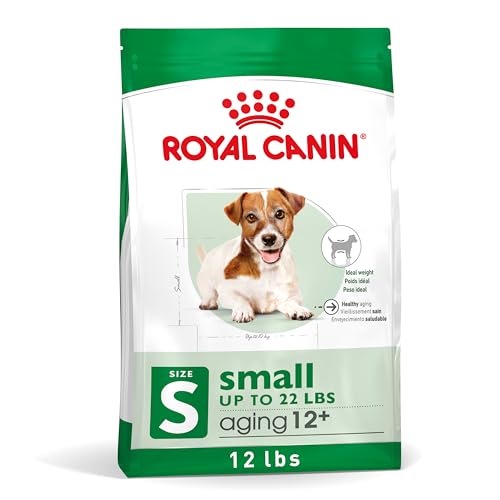
For most senior Maltese, our editorial team leans toward Royal Canin Small Breed Aging 12+ Dry Dog Food as the top pick. It is built around the realities of a tiny, long-lived toy breed: a small, easy-to-chew kibble shape, controlled calories for a dog that may weigh only 4 to 8 pounds, and a recipe formulated for dogs over 12 years of age. If your senior has a sensitive stomach, Hill’s Science Diet Senior 7+ Small Paws Sensitive Stomach and Skin is a better fit. On a tighter budget, Diamond Naturals Small Breed Adult offers a named meat first ingredient at a lower price, and if you prefer to keep grains in the bowl, the grain-inclusive options below make that easy. Always confirm any new food suits your individual dog with your veterinarian, especially if there is a diagnosed health condition.
What to consider for Senior Dog Food For Maltese
The Maltese is a true toy breed, usually 4 to 8 pounds, and many live well into their teens, so “senior” often spans a long stretch of life. A few things matter more for this dog than for a larger breed. First, kibble size and dental health: small mouths and the breed’s tendency toward dental disease mean a small, manageable piece is important, and some seniors do better with wet food or softened kibble if teeth are missing. Second, calorie control in a tiny body: a few extra treats go a long way on a 5 pound frame, and excess weight stresses aging joints and the heart. Third, tear staining and a sensitive digestive system are common, so simple, named-protein recipes are often easier to tolerate. Fourth, older Maltese can lose muscle and dental function, so adequate, digestible protein matters. None of this replaces a veterinary exam; if your dog has kidney, heart, dental, or weight concerns, your veterinarian may recommend a specific therapeutic diet instead.
What to look for in a dog food
Start with the label. Look for an AAFCO complete and balanced statement for the correct life stage, here that means “adult maintenance” or “all life stages,” since AAFCO does not have a separate “senior” profile. A senior labeled food is a marketing tier built on the adult profile, which is fine, just confirm the statement is present. Next, check that a named meat such as chicken, deboned chicken, turkey, lamb, or salmon is the first ingredient rather than a vague “meat meal.” For a small senior, sensible targets are roughly 18 to 28 percent protein and 10 to 16 percent fat on a dry-matter basis, with calorie density that lets you feed a satisfying portion without overfeeding a tiny dog. These are general ranges, not medical rules; your veterinarian may advise different numbers for a specific condition. Choose a small breed formula so the kibble and nutrient density fit a toy dog, not a large breed recipe. Finally, omega-3 fatty acids (EPA and DHA) and joint support like glucosamine and chondroitin can be helpful for aging joints, skin, and coat, though they support rather than cure, and you should ask your veterinarian before adding any separate supplement.
How we chose these picks
- We compared products using publicly available manufacturer information, ingredient panels, and AAFCO statements, not personal or in-clinic testing.
- We prioritized small breed or small kibble recipes appropriate for a 4 to 8 pound toy dog.
- We required a named animal protein as the first ingredient on every pick.
- We favored recipes with an AAFCO complete and balanced statement for adult maintenance or all life stages.
- We looked for sensible calorie density and fat levels suited to a less active senior in a small body.
- We noted omega-3 and joint-support inclusions where the manufacturer lists them, while treating them as supportive only.
- We checked each brand against the FDA animal food recall list at the time of writing and flagged anything notable.
- Never ranked a product higher just because it pays a commission.
What to avoid
- Recipes that list only an unnamed “meat meal” as the protein source, with no named animal like chicken or lamb, since you cannot tell what is actually in the bag.
- Defaulting to grain-free or legume-heavy (pea, lentil, chickpea) recipes without a reason. The FDA investigation into a potential link between certain grain-free diets and canine dilated cardiomyopathy (DCM) is ongoing and not resolved, so a grain-inclusive food is the safer default unless your veterinarian advises otherwise for your individual dog.
- Feeding an “all life stages” food to a large-breed puppy, since those formulas can carry calcium and calorie levels unsuitable for big growing puppies. This is less relevant to a Maltese but matters if you have multiple dogs sharing a bowl.
- Abrupt diet switches. Transition over about 7 to 10 days, mixing increasing amounts of the new food into the old, to reduce the chance of stomach upset in a sensitive senior.
For more on feeding and care as your dog ages, browse our dog guides, our dog food roundups, and our dog health articles. When in doubt about a medical condition, your veterinarian remains the right first call.


