Quick answer
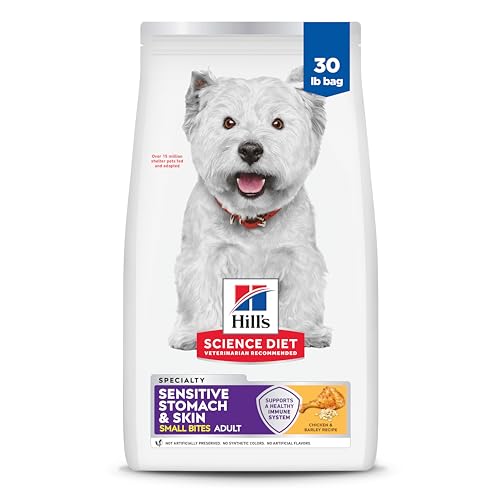
Our top pick is Royal Canin Veterinary Diet Gastrointestinal Fiber Response, a high-fiber dry food that helps promote firm stools and natural anal gland expression. For dogs with sensitive stomachs, Purina Pro Plan Sensitive Skin & Stomach is a close runner-up. Budget-conscious owners can consider Diamond Naturals Lamb & Rice, which offers quality ingredients at a lower price point.
What to consider for Dog Food For Anal Gland Issues
Anal gland issues in dogs often stem from soft or irregular stools that fail to naturally express the glands during defecation. A diet rich in insoluble fiber helps bulk up stool consistency, while moderate fat levels reduce loose stools. Additionally, highly digestible proteins and limited ingredients can minimize gastrointestinal upset. Always consult your veterinarian to rule out underlying infections or structural problems before changing food.
What to look for in a dog food
Look for a product that states it is complete and balanced according to AAFCO for your dog’s life stage. The first ingredient should be a named meat source (e.g., chicken, lamb, salmon). Aim for moderate protein (20 to 30% dry matter) and fat (10 to 18% dry matter) to avoid overly rich diets. Fiber content around 4 to 8% dry matter is ideal for stool firmness. For large breeds, ensure appropriate kibble size and calcium levels. Omega-3 fatty acids from fish oil can help reduce inflammation.
How we chose these picks
- Evaluated fiber content and type (insoluble vs. soluble) for stool firming.
- Reviewed ingredient quality, prioritizing named meat proteins and whole grains.
- Considered digestibility and inclusion of prebiotics or probiotics.
- Checked for AAFCO nutrient adequacy statements.
- Selected products from reputable brands with veterinary nutritionists on staff.
- Focused on options widely available on Amazon with consistent positive reviews.
- Included a range of price points to suit different budgets.
- Never ranked a product higher just because it pays a commission.
What to avoid
- Avoid foods where the primary protein source is an unnamed “meat meal” or “poultry meal.”
- Do not default to grain-free or legume-heavy recipes; the FDA continues to investigate a potential link with canine DCM. Grain-inclusive diets are generally safer unless your vet advises otherwise.
- Steer clear of all-life-stages formulas for large-breed puppies, as they may have improper calcium levels.
- Never switch foods abruptly; transition over 7 to 10 days to avoid digestive upset.
For more pet care advice, visit our dog guides, dog food, and dog health sections.