Quick answer
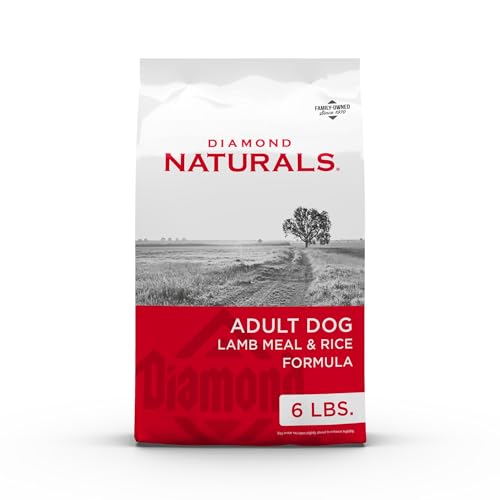
For most dogs, our top pick is Purina Pro Plan Sensitive Skin & Stomach Salmon & Rice Formula, because its gentle, highly digestible recipe reduces the risk of stomach upset during travel. If your dog has a very sensitive stomach, Hill’s Science Diet Sensitive Stomach & Skin is an excellent runner-up. For budget-conscious travelers, Diamond Naturals Real Meat Recipe offers solid nutrition at a lower price.
What to consider for Dog Food For Airline Travel
Airline travel can stress dogs, leading to digestive issues like diarrhea or vomiting. The ideal food should be easy to digest, low in residue (to minimize bathroom needs), and formulated with familiar ingredients to avoid surprises. Portability is also key: kibble or freeze-dried options are convenient for packing. Avoid wet food if possible, as it’s heavier and messier. Always bring a bit more than needed in case of delays.
What to look for in a dog food
Look for an AAFCO statement confirming the food is complete and balanced for your dog’s life stage (adult maintenance or puppy). The first ingredient should be a named meat source like chicken, salmon, or lamb. Protein levels around 20 to 30 percent and fat around 10 to 20 percent are typical for adult dogs; adjust for activity level. For large breeds, ensure calcium and phosphorus levels are appropriate (around 1.0 to 1.5 percent calcium). Omega-3 fatty acids from fish oil or flaxseed can support skin and coat health during travel stress. Joint support (glucosamine and chondroitin) is a bonus for older dogs.
How we chose these picks
- We evaluated products based on ingredient quality and digestibility.
- We prioritized foods with a single, named animal protein source to minimize allergy risks.
- We considered the inclusion of prebiotic fibers like beet pulp or chicory root for digestive health.
- We checked for AAFCO nutritional adequacy statements for the appropriate life stage.
- We looked at the fat content to ensure it’s not too high (which can cause loose stools) or too low (which may not sustain energy).
- We favored brands with a history of rigorous quality control and published feeding trials.
- We considered practical factors like kibble size and resealability for travel.
- Never ranked a product higher just because it pays a commission.
What to avoid
- Foods with an unnamed “meat meal” as the only protein source; it’s less digestible and could cause allergies.
- Defaulting to grain-free or legume-heavy recipes without veterinary advice, due to the ongoing FDA investigation into a potential link with canine dilated cardiomyopathy (DCM). Grain-inclusive diets are generally safer.
- All-life-stages food for a large-breed puppy, as it may contain excessive calcium and phosphorus that can harm skeletal development.
- Abruptly switching your dog’s food right before travel; always transition over 5 to 7 days.
For more guidance, see our dog guides and related categories: dog food, dog nutrition.