Quick answer
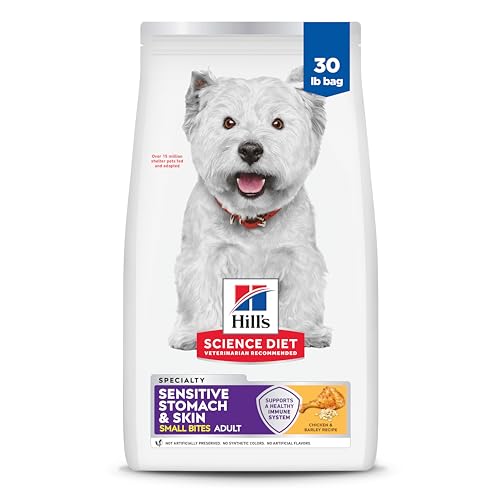
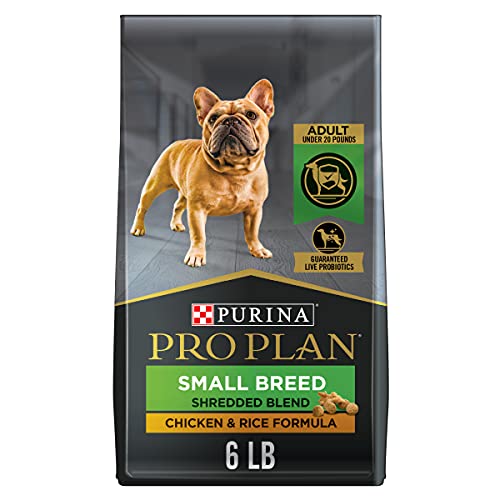
Our top pick for dry dog food for airline travel is Purina Pro Plan High Protein Small Breed Dry Dog Food. It offers a compact kibble size, high digestibility, and a resealable bag that fits easily in carry-on luggage. For dogs with sensitive stomachs, Hill’s Science Diet Sensitive Stomach & Skin is a close runner-up.
What to consider for Dry Dog Food For Airline Travel
When flying with your dog, you need a dry food that is easy to pack, portion, and serve without mess. Kibble size matters: small or medium kibble reduces crumbs and is easier for dogs to eat in confined spaces. The food should be nutritionally complete and balanced for your dog’s life stage, and it should not require refrigeration. Also consider the bag’s resealability and durability to prevent spills in your luggage. Finally, choose a formula that your dog tolerates well to avoid digestive upset during travel.
What to look for in a dog food
Look for a dry dog food that is AAFCO complete and balanced for your dog’s life stage (adult maintenance, growth, or all life stages). The first ingredient should be a named meat source like chicken, lamb, or salmon. Protein content should be between 18% and 30% for most adult dogs, with fat between 8% and 18%. Calorie density matters: aim for 300 to 400 kcal per cup for easy portion control. For small breeds, smaller kibble size is beneficial. For large breeds, a formula with glucosamine and chondroitin supports joint health. Omega-3 and omega-6 fatty acids promote skin and coat health, which is important during travel stress.
How we chose these picks
- Evaluated each product’s AAFCO nutritional adequacy statement for the correct life stage.
- Reviewed ingredient lists to ensure a named meat source as the first ingredient and no unnamed meat meals.
- Checked kibble size and shape for travel convenience and ease of eating.
- Considered packaging: resealable bags or pouches that minimize mess and fit in luggage.
- Assessed digestibility and common sensitivities based on customer feedback and ingredient profiles.
- Ensured the food does not require refrigeration and is shelf-stable for travel.
- Compared price per pound to offer options for various budgets.
- Never ranked a product higher just because it pays a commission.
What to avoid
- Avoid foods with an unnamed “meat meal” as the only protein source; always look for named sources like chicken meal or salmon meal.
- Be cautious with grain-free or legume-heavy recipes unless your veterinarian specifically recommends them due to the ongoing FDA investigation into a potential link with canine dilated cardiomyopathy (DCM). Grain-inclusive formulas are generally a safer default.
- Do not feed an “all life stages” food to a large-breed puppy, as it may have inappropriate calcium and phosphorus levels for proper growth.
- Avoid abrupt diet switches before travel; transition gradually over 5 to 7 days to prevent digestive upset.
For more guidance, check out our dog guides and dog food or dog health categories.