Quick answer
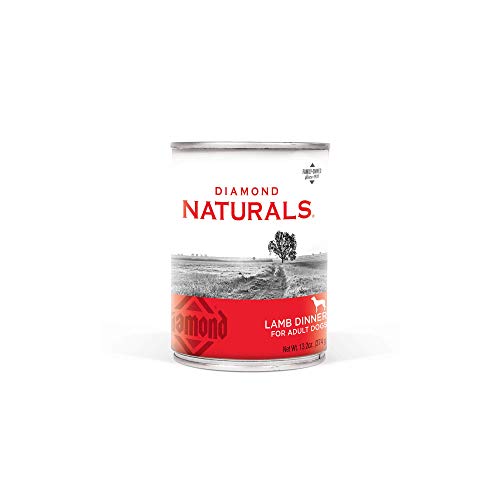
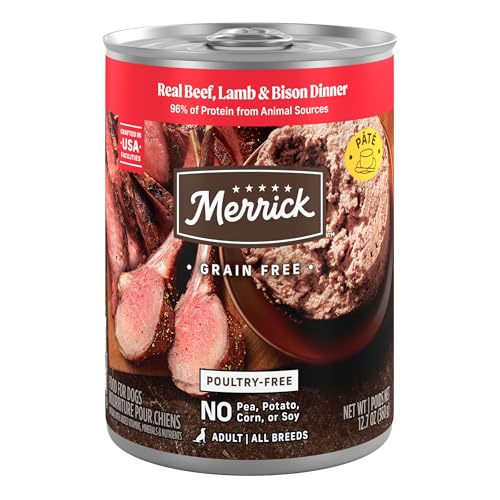
Our top pick is Purina Pro Plan Sensitive Skin & Stomach Lamb & Oat Meal Entree. It combines real lamb with easily digestible oats, making it ideal for dogs with food sensitivities. For a budget-friendly alternative, try Diamond Naturals Lamb & Rice Canned Dog Food. If you need a grain-inclusive recipe for puppies, Hill’s Science Diet Puppy Lamb & Brown Rice Entree is a great choice.
What to consider for Wet Dog Food With Lamb
Lamb is a novel protein source often used in limited-ingredient diets for dogs with food allergies or intolerances. When choosing a wet dog food with lamb, check that the recipe is AAFCO-compliant for your dog’s life stage. Consider the fat content: lamb can be higher in fat, so dogs prone to pancreatitis or overweight may need a lower-fat option. Also, look for named meat meals or whole lamb as the first ingredient, and avoid vague terms like “meat meal.” Grain-inclusive formulas are generally safer than grain-free unless your vet advises otherwise.
What to look for in a dog food
First, ensure the food has an AAFCO statement confirming it is “complete and balanced” for your dog’s life stage (puppy, adult, or senior). The first ingredient should be a named protein source like “lamb” or “lamb meal.” Protein content for wet food typically ranges from 7% to 12% on a dry matter basis; fat should be around 4% to 8%. Calorie density varies, but most wet foods provide 300 to 500 kcal per can. For large breeds, look for controlled calcium and phosphorus levels. Small breeds may benefit from smaller kibble or pate texture. Omega-3 fatty acids from fish oil or flaxseed support skin and coat health, and glucosamine can aid joint health in older dogs.
How we chose these picks
- We evaluated products based on ingredient quality, with a focus on named lamb as the primary protein.
- We prioritized brands that meet AAFCO nutrient profiles for the intended life stage.
- We considered the reputation of the manufacturer, including their history of recalls and quality control.
- We looked for recipes that avoid artificial colors, flavors, and preservatives.
- We balanced nutritional value with price to offer options for different budgets.
- We checked for grain-inclusive options as a safer default unless a specific need for grain-free exists.
- We read customer reviews to gauge palatability and digestive tolerance.
- Never ranked a product higher just because it pays a commission.
What to avoid
- Avoid foods where the only protein source is an unnamed “meat meal” or “poultry meal.”
- Do not default to grain-free or legume-heavy recipes. The FDA is still investigating a potential link between grain-free diets and canine dilated cardiomyopathy (DCM). Grain-inclusive is the safer choice unless your veterinarian recommends otherwise.
- Steer clear of “all life stages” foods for large-breed puppies, as they may have improper calcium-to-phosphorus ratios.
- Never switch your dog’s food abruptly. Transition over 5 to 7 days by mixing increasing amounts of the new food with the old.
For more guidance, visit our dog guides, dog food, and dog nutrition pages.