Quick answer
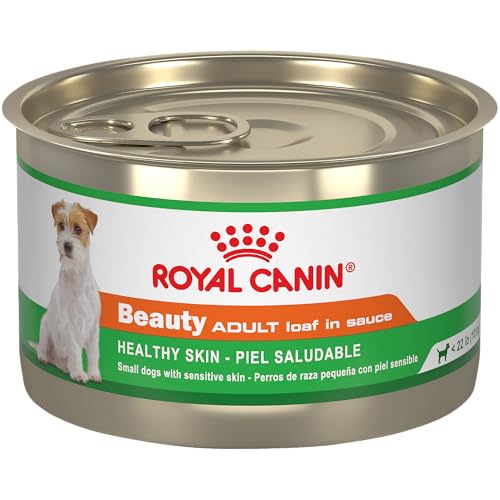
Our top pick is Royal Canin Size Health Nutrition Small Adult Wet Dog Food, because it is specifically formulated for small breeds with balanced nutrients and a texture that tiny mouths can easily eat. If your dog has a sensitive stomach, Hill’s Science Diet Sensitive Stomach & Skin Small & Mini Wet Dog Food is an excellent alternative. For budget-conscious owners, Purina Pro Plan Small Breed Wet Dog Food offers quality nutrition at a lower price.
What to consider for Wet Dog Food For Dogs Under 20 Lbs
Small dogs have faster metabolisms and higher energy needs per pound than larger breeds. They also have smaller mouths and teeth, so the texture and kibble size of wet food matter. Portion control is crucial because even a few extra calories can lead to weight gain in a small dog. Look for recipes that provide complete and balanced nutrition for the appropriate life stage, with moderate fat and calorie content to maintain a healthy weight. Many small breeds also benefit from added joint support and omega fatty acids for skin and coat health.
What to look for in a dog food
First, ensure the food carries an AAFCO statement of nutritional adequacy for your dog’s life stage (adult, puppy, or all life stages). The first ingredient should be a named meat source like chicken, beef, or fish. Protein content should be between 25% and 35% on a dry matter basis, fat between 10% and 20%, and calories around 350 to 450 kcal per cup (or per can, as wet food varies). For small breeds, smaller kibble or pate texture is easier to eat. Look for added glucosamine and chondroitin for joint health, and omega-3 and omega-6 fatty acids for skin and coat. Avoid foods with excessive fillers like corn, wheat, or soy.
How we chose these picks
- We evaluated each product’s ingredient list, focusing on named protein sources and absence of artificial additives.
- We verified that each food meets AAFCO nutrient profiles for the appropriate life stage.
- We considered calorie density and portion sizes suitable for dogs under 20 lbs to prevent overfeeding.
- We reviewed customer feedback and brand reputation for quality control and safety.
- We prioritized products with added beneficial nutrients like omega fatty acids and joint support.
- We compared price per serving to ensure value for money.
- Never ranked a product higher just because it pays a commission.
What to avoid
- Avoid foods where the primary protein source is an unnamed “meat meal” or “poultry meal” as it can be of lower quality.
- Be cautious with grain-free or legume-heavy recipes unless your veterinarian recommends them, as the FDA is still investigating a potential link to canine dilated cardiomyopathy (DCM). Grain-inclusive diets are generally considered safer.
- Do not choose an “all life stages” food for a large-breed puppy (though for small breeds under 20 lbs, all life stages may be acceptable, but life-stage specific is better).
- Avoid abruptly switching your dog’s food; transition over 7 to 10 days by mixing increasing amounts of the new food with the old.
For more guidance, check out our dog guides, dog food, and dog nutrition sections.


