Quick answer
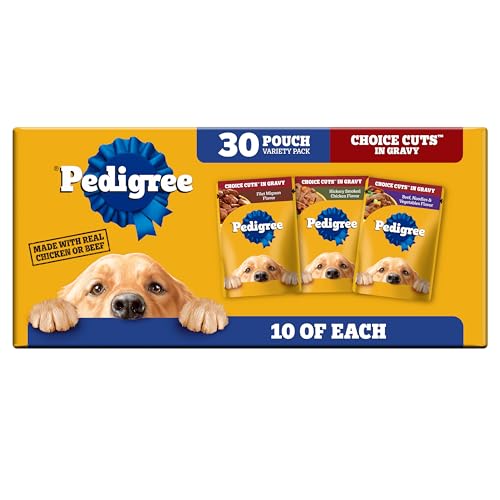
Our top pick is Purina Pro Plan Focus Classic Chicken & Rice Entree, because it comes in easy-open pull-tab cans, has a smooth texture that’s less likely to spill, and is formulated for balanced nutrition during travel. For dogs with sensitive stomachs, Hill’s Science Diet Sensitive Stomach & Skin is a close runner-up. If you’re on a budget, Pedigree Choice Cuts in Gravy offers good value.
What to consider for Wet Dog Food For Travel In Cars
When choosing wet dog food for car travel, consider packaging that’s easy to open and reseal (pull-tab cans or pouches), a texture that won’t splatter (pâté or stew rather than chunky gravy), and a recipe that’s gentle on digestion to avoid motion sickness. Also look for single-serve portions to reduce waste and mess. Avoid foods with strong odors that might upset your dog in a confined space.
What to look for in a dog food
Look for an AAFCO complete and balanced statement for your dog’s life stage (adult or all life stages). A named meat source (like chicken or beef) should be first. Protein should be around 25 to 35% dry matter, fat 10 to 20%, and calories between 300 and 400 kcal per can. For large breeds, ensure calcium and phosphorus levels are appropriate for bone health; for small breeds, smaller kibble or pâté is easier to eat. Omega-3 and omega-6 fatty acids support skin and coat health.
How we chose these picks
- Evaluated packaging convenience for car travel (easy-open, resealable, spill-resistant).
- Checked AAFCO nutritional adequacy statements for complete and balanced nutrition.
- Reviewed ingredient lists for named protein sources and absence of artificial preservatives.
- Considered texture and moisture content to minimize mess in the car.
- Assessed palatability and digestibility based on customer feedback.
- Prioritized brands with established quality control and safety records.
- Compared price per serving to ensure value for travel-sized portions.
- Never ranked a product higher just because it pays a commission.
What to avoid
- Avoid unnamed meat meals (e.g., “meat meal”) as the primary protein source.
- Be cautious with grain-free or legume-heavy recipes due to the ongoing FDA investigation into a potential link with canine dilated cardiomyopathy (DCM). Grain-inclusive diets are generally safer unless your vet advises otherwise.
- Do not choose an all-life-stages food for a large-breed puppy; opt for a large-breed puppy formula.
- Avoid abrupt diet switches; transition gradually over 7 to 10 days to prevent digestive upset, especially during travel.
For more tips, check out our dog guides, dog food, and dog nutrition sections.