Quick answer
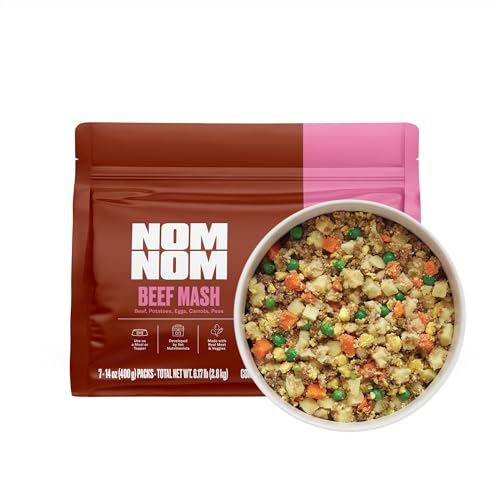
Our top pick is The Farmer’s Dog Chicken Recipe, which offers human-grade ingredients, balanced nutrition for large breeds, and easy portioning. For a more budget-friendly option, Ollie Fresh Chicken with Carrots provides similar quality at a lower cost. Dogs with sensitive stomachs may do better with Nom Nom’s Beef Mash, which has limited ingredients.
What to consider for Fresh Dog Food For Bernese Mountain Dogs
Bernese Mountain Dogs are large, slow-growing breeds prone to hip and elbow dysplasia, obesity, and bloat. Fresh dog food should provide controlled calorie density to prevent rapid growth in puppies and weight gain in adults. Look for recipes with moderate fat (around 10 to 15 percent on a dry matter basis) and adequate calcium-to-phosphorus ratios for large-breed development. Joint-supporting ingredients like glucosamine and omega-3 fatty acids from fish oil are beneficial. Portion flexibility is key, as Berners have varying activity levels.
What to look for in a dog food
Choose a fresh food that is AAFCO complete and balanced for your dog’s life stage (puppy, adult, or all life stages). The first ingredient should be a named meat source such as chicken, beef, or turkey. Protein should be around 25 to 35 percent on a dry matter basis, with fat around 10 to 15 percent to maintain a healthy weight. Calorie content should be appropriate for large breeds (typically 350 to 450 kcal per pound of food). For Bernese Mountain Dogs, a grain-inclusive recipe is generally safer due to the ongoing FDA investigation into grain-free diets and DCM. Look for added glucosamine and chondroitin for joint health, and DHA for brain development in puppies.
How we chose these picks
- Evaluated nutritional profiles against AAFCO standards for large-breed dogs
- Prioritized human-grade, whole-food ingredients with named meat as first ingredient
- Checked for appropriate calorie and fat levels to support healthy growth and weight
- Considered inclusion of joint-supporting nutrients like glucosamine and omega-3s
- Reviewed customer feedback for palatability and digestive tolerance in large breeds
- Ensured products are available via Amazon or direct subscription for convenience
- Compared price per calorie to provide budget-friendly options
- Never ranked a product higher just because it pays a commission
What to avoid
- Avoid foods with unnamed meat meals (e.g., “poultry meal”) as the primary protein source
- Do not default to grain-free or legume-heavy recipes; the FDA DCM investigation suggests grain-inclusive is safer unless a vet advises otherwise
- Avoid all-life-stages food for a large-breed puppy; it may have improper calcium levels
- Avoid abrupt diet switches; transition over 7 to 10 days to prevent digestive upset
For more guidance, visit our dog guides and explore dog nutrition or dog health resources.