Quick answer
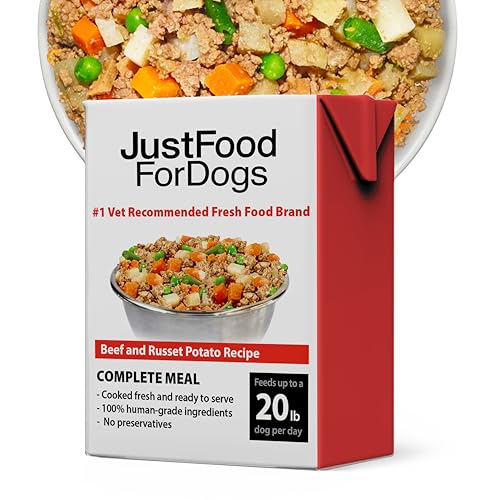
The best fresh dog food for travel in cars is Nom Nom Turkey Fare because it comes in pre-portioned, easy-to-open pouches that stay fresh without refrigeration for up to 24 hours, making it ideal for car trips. If your dog has a sensitive stomach, JustFoodForDogs Beef & Russet Potato is a great runner-up with simple ingredients. For budget-conscious travelers, PetPlate Chicken & Rice offers balanced nutrition in shelf-stable pouches.
What to consider for Fresh Dog Food For Travel In Cars
When choosing fresh dog food for car travel, portability and temperature stability are key. Unlike dry kibble, fresh food requires careful handling to prevent spoilage. Look for products that come in individual serving pouches or tubs that can be stored in a cooler or at room temperature for short trips. The food should be easy to open and serve without mess, and the packaging should be resealable or disposable. Also consider your dog’s typical car behavior: if they get car sick, a bland, low-fat recipe may be better. Always pack extra water and a portable bowl for feeding stops.
What to look for in a dog food
Ensure the fresh dog food is labeled as complete and balanced by AAFCO for your dog’s life stage (adult, puppy, or all life stages). The first ingredient should be a named meat (e.g., chicken, beef, turkey) to provide high-quality protein. For travel, moderate protein (25 to 35% on a dry matter basis) and fat (12 to 18%) levels are ideal to avoid digestive upset during motion. Calorie content should match your dog’s activity level; for most adult dogs, 300 to 400 kcal per cup is a good range. If you have a large breed, choose a recipe with controlled calcium and phosphorus levels to support joint health. Omega-3 and omega-6 fatty acids from fish oil or flaxseed can help maintain a healthy coat and reduce inflammation.
How we chose these picks
- We evaluated fresh dog foods that are specifically marketed for travel or come in convenient, portable packaging.
- We prioritized products with real, named meat as the first ingredient and minimal fillers.
- We checked that each food meets AAFCO nutrient profiles for the intended life stage.
- We considered customer reviews regarding palatability and digestive tolerance, especially during travel.
- We looked for foods that can be stored at room temperature for at least 24 hours or are easy to keep cool in a car.
- We compared price per serving to ensure value for money.
- We favored brands with transparent sourcing and manufacturing practices.
- Never ranked a product higher just because it pays a commission.
What to avoid
- Avoid foods that list an unnamed “meat meal” as the primary protein source, as this can be low-quality and inconsistent.
- Be cautious with grain-free or legume-heavy recipes; the FDA continues to investigate a potential link between these diets and canine dilated cardiomyopathy (DCM). Grain-inclusive formulas are generally a safer default unless your veterinarian advises otherwise.
- Do not choose an “all life stages” food for a large-breed puppy, as it may have improper calcium and phosphorus levels that can affect bone development.
- Avoid abrupt diet switches, especially during travel; transition your dog to the new food gradually over 7 to 10 days to prevent digestive upset.
For more guidance, see our dog guides, dog food, and dog nutrition resources.