Quick answer
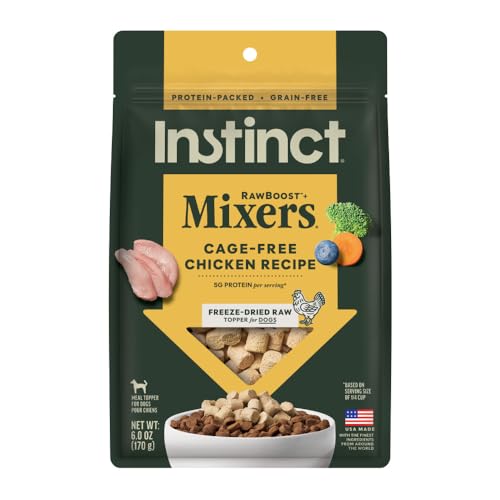
Our top pick for most Golden Retrievers is Stella & Chewy’s Freeze-Dried Raw Dinner Patties because it combines high-quality animal protein, balanced omega fatty acids for coat health, and added joint support. For dogs with sensitive stomachs, Primal Pet Foods Freeze-Dried Nuggets offer a limited-ingredient option. Budget-conscious owners should consider Nature’s Variety Instinct Raw Mix, which blends raw-coated kibble with freeze-dried raw pieces.
What to consider for Raw Dog Food For Golden Retrievers
Golden Retrievers are prone to hip dysplasia, obesity, and skin allergies, so a raw diet must provide balanced calcium and phosphorus for bone health, moderate fat to prevent weight gain, and omega-3s from sources like salmon or flaxseed. Large-breed formulas should have controlled calcium levels. Always transition slowly over 7 to 10 days to avoid digestive upset.
What to look for in a dog food
Look for an AAFCO statement of nutritional adequacy for the appropriate life stage (puppy, adult, or all life stages). The first ingredient should be a named meat or meat meal (e.g., chicken, beef, lamb). Protein content should be around 30 to 40% on a dry matter basis, fat 15 to 25%, and calories around 350 to 450 kcal per cup. For large breeds like Goldens, ensure calcium is around 1.0 to 1.5% and phosphorus 0.8 to 1.2%. Joint supplements like glucosamine and chondroitin are beneficial, as are omega-3 fatty acids for skin and coat.
How we chose these picks
- Evaluated ingredient quality and sourcing transparency.
- Checked AAFCO nutritional adequacy statements.
- Considered protein, fat, and calorie levels appropriate for Golden Retrievers.
- Assessed inclusion of joint-supporting nutrients (glucosamine, chondroitin, omega-3s).
- Reviewed customer feedback for palatability and digestive tolerance.
- Prioritized brands with strong safety records and manufacturing standards.
- Compared price per pound to ensure value.
- Never ranked a product higher just because it pays a commission.
What to avoid
- Avoid foods with unnamed meat meals (e.g., “meat meal”) as the primary protein source.
- Be cautious with grain-free or legume-heavy recipes; the FDA DCM investigation is ongoing, and grain-inclusive diets are a safer default unless your vet advises otherwise.
- Do not feed all-life-stages food to a large-breed puppy; choose a formula specifically for large-breed puppies.
- Avoid abrupt diet switches; transition over 7 to 10 days to prevent digestive upset.
For more guidance, check out our dog guides, dog food, and dog nutrition sections.