Quick answer
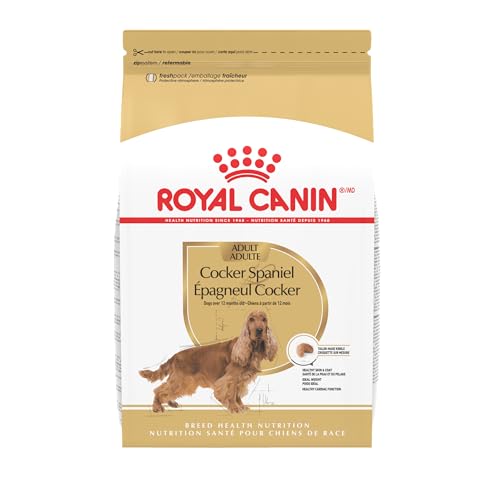
Our top pick is Purina Pro Plan Sensitive Skin & Stomach Salmon & Rice Formula. It combines high-quality salmon protein with easily digestible ingredients, making it ideal for Cocker Spaniels prone to food sensitivities. For budget-conscious owners, Diamond Naturals Salmon & Potato provides excellent nutrition at a lower price. If your Cocker Spaniel is a puppy, Royal Canin Cocker Spaniel Puppy offers breed-specific kibble shape and nutrients.
What to consider for Salmon Dog Food For Cocker Spaniels
Cocker Spaniels are prone to skin allergies, ear infections, and obesity. Salmon is an excellent protein source because it is novel for many dogs and rich in omega-3 fatty acids, which support skin health and reduce inflammation. However, not all salmon formulas are created equal. Look for recipes that include whole salmon or salmon meal as the first ingredient, and avoid those with excessive fillers or artificial additives. Also consider your dog’s life stage, activity level, and any specific health issues like pancreatitis or joint problems.
What to look for in a dog food
Ensure the food is AAFCO complete and balanced for your Cocker Spaniel’s life stage (puppy, adult, or senior). The first ingredient should be a named meat source like salmon or salmon meal. Protein content should be between 22% and 32% for adults, and fat between 12% and 18%. Calorie density matters: active Cockers may need 350 to 450 kcal per cup, while less active dogs require fewer calories. For this breed, look for added omega-3 fatty acids (EPA and DHA) from fish oil to support skin and coat. Joint supplements like glucosamine and chondroitin can be beneficial, especially for older dogs. Avoid foods with excessive carbohydrates or low-quality protein sources.
How we chose these picks
- Analyzed ingredient lists to ensure salmon or salmon meal is the primary protein source.
- Checked for AAFCO nutritional adequacy statements for the appropriate life stage.
- Evaluated omega-3 fatty acid content, specifically EPA and DHA levels.
- Considered breed-specific needs like kibble size and shape for Cocker Spaniels.
- Reviewed customer feedback and brand reputation for quality control.
- Compared price per pound to ensure value for the nutritional profile.
- Never ranked a product higher just because it pays a commission.
What to avoid
- Foods with unnamed meat meals (e.g., “meat meal”) as the primary protein source.
- Grain-free or legume-heavy recipes unless recommended by your veterinarian, due to ongoing FDA investigation into a potential link with canine dilated cardiomyopathy (DCM).
- All-life-stages formulas for large-breed puppies, as they may not provide the correct calcium-to-phosphorus ratio.
- Abrupt diet switches; transition over 7 to 10 days by gradually mixing new food with old.
For more guidance, explore our dog guides, dog food articles, and dog nutrition resources.