Quick answer
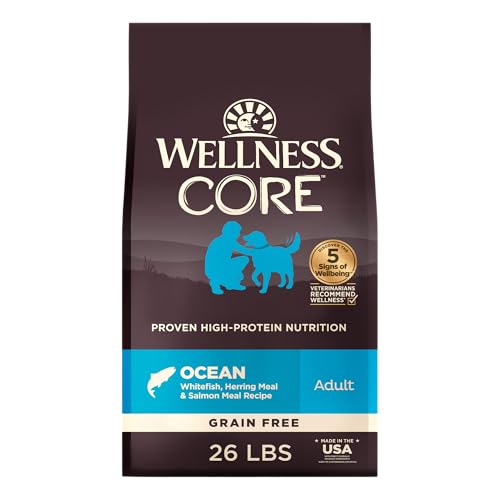
Our top pick is Purina Pro Plan Sensitive Skin & Stomach Salmon & Rice Formula. It combines real salmon as the first ingredient with oatmeal and rice for easy digestion, plus omega-6 and omega-3 to support skin health. If your dog needs a grain-free option, consider Wellness CORE Grain-Free Salmon & Whitefish. For a budget-friendly alternative, Diamond Naturals Skin & Coat Salmon & Potato provides solid nutrition at a lower price.
What to consider for Salmon Dog Food For Sensitive Skin
When selecting a salmon dog food for sensitive skin, focus on the source and quality of omega fatty acids, particularly EPA and DHA from fish oil. Look for formulas with limited ingredients to minimize potential allergens. Also consider the protein content: dogs with skin sensitivities often do well with moderate protein levels (around 22-28% for adults) to reduce inflammatory responses. Ensure the food is AAFCO complete and balanced for your dog’s life stage. Some dogs may also benefit from added probiotics or prebiotic fibers to support gut health, which is closely linked to skin condition.
What to look for in a dog food
First, verify an AAFCO statement of nutritional adequacy for your dog’s life stage (adult maintenance, growth, or all life stages). Look for a named meat source as the first ingredient, such as salmon, salmon meal, or fish meal. Protein levels should generally be 22-28% for adult dogs, fat 12-18%, and calories around 350-450 kcal per cup, but adjust based on your dog’s activity and metabolism. For large breeds, ensure calcium levels are appropriate (around 1.0-1.5% on a dry matter basis) and kibble size is suitable. Omega-3 and omega-6 fatty acids, especially from fish oil, are crucial for skin health. Joint support ingredients like glucosamine and chondroitin can be beneficial, especially for older or active dogs.
How we chose these picks
- Evaluated ingredient quality, focusing on named protein sources and limited ingredient lists suitable for sensitive skin.
- Checked for AAFCO nutritional adequacy statements for appropriate life stages.
- Considered omega fatty acid profiles, especially EPA and DHA content from fish oil.
- Reviewed customer feedback for reported improvements in skin and coat condition.
- Assessed value: price per pound and per serving relative to ingredient quality.
- Prioritized brands with a history of rigorous quality control and feeding trials.
- Included options across price points and dietary preferences (grain-inclusive and grain-free).
- Never ranked a product higher just because it pays a commission.
What to avoid
- Unnamed “meat meal” as the only protein source; look for named meals like salmon meal.
- Defaulting to grain-free or legume-heavy recipes unless recommended by your vet, due to the FDA’s ongoing investigation into a potential link with canine dilated cardiomyopathy (DCM). Grain-inclusive formulas are a safer default.
- All-life-stages food for a large-breed puppy, as it may have inappropriate calcium levels for controlled growth.
- Abrupt diet switches; always transition over 7-10 days to avoid digestive upset.
For more dog food guidance, visit our dog guides, dog food, and dog health categories.