Quick answer
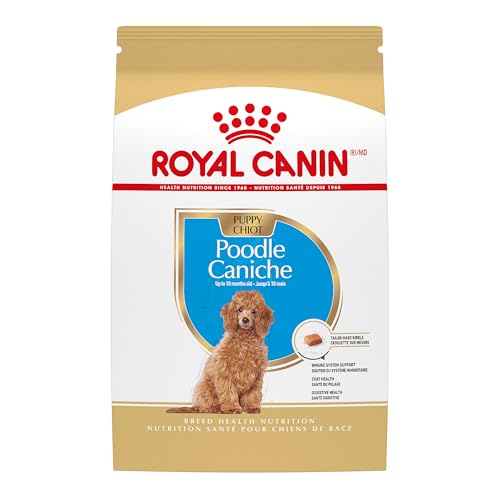
Our top pick is Purina Pro Plan Sensitive Skin & Stomach Turkey & Oatmeal Formula because it combines easily digestible turkey with oatmeal for gentle digestion, plus omega-6 fatty acids for skin and coat health. For Poodle puppies, the Royal Canin Poodle Puppy Dry Dog Food is tailored to their unique needs. If you’re on a budget, Diamond Naturals Real Turkey & Rice Recipe offers quality ingredients at a lower price point.
What to consider for Turkey Dog Food For Poodles
Poodles come in three sizes (Toy, Miniature, Standard) and have a predisposition to sensitive stomachs, skin allergies, and joint issues like hip dysplasia. Turkey is a lean, novel protein that can help avoid common allergens like chicken or beef. When choosing a turkey dog food for your Poodle, consider their life stage (puppy, adult, senior), size-specific kibble shape, and added nutrients for coat health (omega fatty acids) and joint support (glucosamine and chondroitin). Also, ensure the food meets AAFCO standards for the appropriate life stage.
What to look for in a dog food
Look for an AAFCO statement confirming the food is complete and balanced for your Poodle’s life stage. The first ingredient should be a named meat source like turkey or turkey meal. Protein levels should be around 22 to 32% for adults, fat around 12 to 18%, and calories appropriate for activity level (typically 300 to 400 kcal per cup). For Poodles, consider small-breed formulas for Toy and Miniature varieties to ensure kibble size is appropriate. Joint supplements like glucosamine and chondroitin are beneficial, especially for Standards. Omega-3 and omega-6 fatty acids support skin and coat health.
How we chose these picks
- Evaluated ingredient lists for named turkey as the primary protein source.
- Checked for AAFCO nutritional adequacy statements for the correct life stage.
- Considered size-specific formulas (small breed, all breed) to match Poodle varieties.
- Prioritized recipes with added omega fatty acids for coat health.
- Included options with joint-supporting ingredients like glucosamine and chondroitin.
- Reviewed customer feedback for palatability and digestive tolerance.
- Selected products from reputable brands with rigorous quality control.
- Never ranked a product higher just because it pays a commission.
What to avoid
- Foods with unnamed meat meal (e.g., “poultry meal”) as the primary protein source, as quality can vary.
- Defaulting to grain-free or legume-heavy recipes without veterinary guidance, due to the ongoing FDA investigation into a potential link with canine dilated cardiomyopathy (DCM). Grain-inclusive diets are generally safer unless your vet advises otherwise.
- All-life-stages formulas for large-breed puppies (Standard Poodles), as they may not provide the precise calcium-to-phosphorus ratio needed for controlled growth.
- Abrupt diet changes; always transition over 7 to 10 days by gradually mixing new food with old.
For more guidance, explore our dog guides and check out dog food, dog nutrition resources.