Quick answer
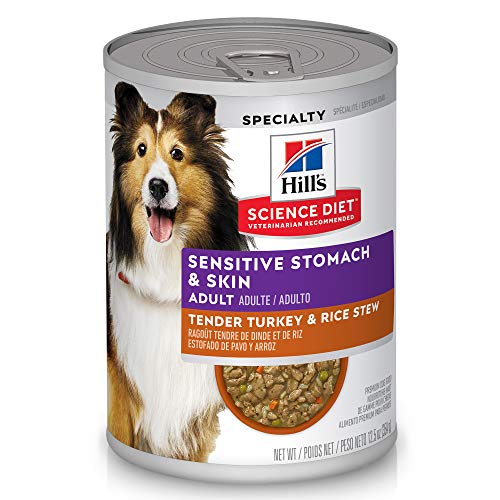
Our top pick for turkey dog food for winter walks is Purina Pro Plan High Protein Turkey & Oat Formula. It offers a high protein and fat content to sustain energy in cold weather, plus glucosamine for joint health. For dogs with sensitive stomachs, try Hill’s Science Diet Sensitive Stomach & Skin Turkey Recipe. Budget-conscious owners should consider Diamond Naturals Turkey & Rice.
What to consider for Turkey Dog Food For Winter Walks
Winter walks demand more energy from your dog to maintain body temperature and navigate snow or ice. A turkey-based food with moderate to high fat (around 15 to 20% on a dry matter basis) provides concentrated calories. Protein should be at least 25% to support muscle maintenance. Joint-supporting ingredients like glucosamine and omega-3 fatty acids help with mobility on slippery surfaces. Also consider calorie density: active dogs may need 20 to 30% more calories in winter. Choose a formula appropriate for your dog’s size and age.
What to look for in a dog food
First, ensure the food meets AAFCO nutrient profiles for your dog’s life stage (adult maintenance, growth, or all life stages). Look for a named turkey source (e.g., turkey, turkey meal) as the first ingredient. Protein should be 25 to 35% and fat 14 to 20% for active winter dogs. Calorie content around 350 to 450 kcal per cup is typical. For large breeds, a formula with controlled calcium and glucosamine is beneficial. Omega-3 fatty acids from fish oil or flaxseed support skin and coat health during dry winter months. Avoid foods with excessive fillers or artificial additives.
How we chose these picks
- Evaluated ingredient quality, focusing on named turkey protein sources.
- Checked guaranteed analysis for protein and fat levels suitable for active dogs.
- Considered calorie density to meet increased winter energy needs.
- Included joint-supporting nutrients like glucosamine and chondroitin.
- Reviewed brand reputation and adherence to AAFCO standards.
- Selected options across different price points and dietary needs.
- Never ranked a product higher just because it pays a commission.
What to avoid
- Avoid foods where the primary protein is an unnamed “meat meal” rather than a named turkey meal.
- Be cautious with grain-free or legume-heavy recipes due to the ongoing FDA investigation into a potential link with canine dilated cardiomyopathy (DCM). Grain-inclusive diets are generally safer unless your vet advises otherwise.
- Do not feed an all-life-stages food to a large-breed puppy; choose a large-breed puppy formula with controlled calcium.
- Avoid abrupt diet switches; transition over 7 to 10 days to prevent digestive upset.
- Steer clear of foods with excessive artificial preservatives, colors, or flavors.
Explore more of our dog guides and check out dog food, dog nutrition for additional tips.