Quick answer
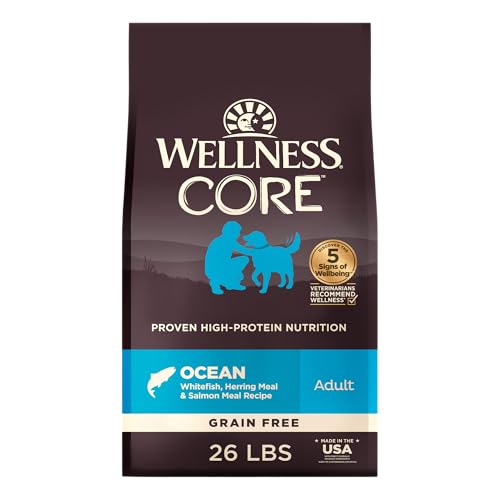
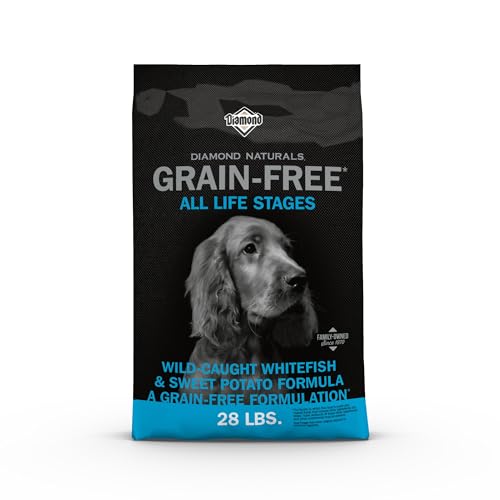
Our top pick is Purina Pro Plan Sensitive Skin & Stomach Salmon & Rice Formula (salmon is a white fish alternative) for its high-quality protein, probiotics, and omega fatty acids that support skin and coat health. For a true white fish option, Wellness CORE Grain-Free Whitefish & Menhaden Fish Meal Formula is excellent if your Cockapoo tolerates grain-free diets. If you need a budget-friendly white fish recipe, Diamond Naturals Whitefish & Sweet Potato offers solid nutrition at a lower price point.
What to consider for White Fish Dog Food For Cockapoos
Cockapoos are a cross between Cocker Spaniels and Poodles, often inheriting sensitive skin, food allergies, and a tendency toward ear infections. White fish (like cod, haddock, or pollock) is a novel protein that can help avoid common allergens like chicken or beef. Look for formulas with omega-3 and omega-6 fatty acids (from fish oil or flaxseed) to support skin health. Also consider kibble size: Cockapoos are small to medium dogs, so small-breed formulas or smaller kibble pieces are easier to chew. Probiotics and prebiotic fiber can aid digestion, which is important for this breed’s sensitive stomachs.
What to look for in a dog food
First, ensure the food has an AAFCO statement confirming it is complete and balanced for the appropriate life stage (puppy, adult, or all life stages). Look for a named meat source (e.g., “whitefish” or “salmon”) as the first ingredient. Protein content should be between 25% and 35% for active Cockapoos; fat between 12% and 18%; and calories around 300 to 400 kcal per cup for adult maintenance. For small-breed Cockapoos, smaller kibble size is beneficial. Joint support from glucosamine and chondroitin can help prevent hip dysplasia later in life. Omega fatty acids from fish oil promote a healthy coat and reduce inflammation.
How we chose these picks
- Evaluated ingredient quality, focusing on named white fish or fish meals as primary protein sources.
- Checked for AAFCO nutritional adequacy statements for the correct life stage.
- Considered omega-3 and omega-6 fatty acid levels for skin and coat health.
- Assessed kibble size and shape for small to medium breeds.
- Reviewed inclusion of probiotics or prebiotics for digestive health.
- Compared price per pound and overall value.
- Read customer reviews for palatability and reported health improvements.
- Never ranked a product higher just because it pays a commission.
What to avoid
- Avoid foods with unnamed “meat meal” as the only protein source; it may contain mixed species and potential allergens.
- Be cautious with grain-free or legume-heavy recipes. The FDA is still investigating a possible link between these diets and canine dilated cardiomyopathy (DCM). Unless your vet advises otherwise, a grain-inclusive formula is a safer default.
- Do not choose an “all life stages” food for a large-breed puppy (though Cockapoos are not large, this rule applies to any breed prone to growth issues).
- Avoid abrupt diet switches; transition over 7 to 10 days by mixing increasing amounts of new food with the old.
For more help, browse our dog guides, dog food reviews, and dog nutrition articles.