Quick answer
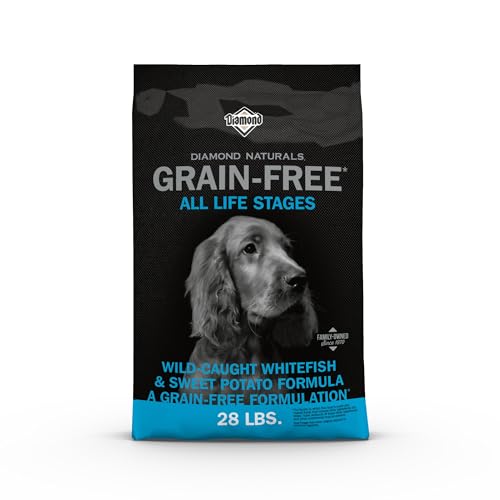
Our top pick is Blue Buffalo Basics Skin & Stomach Care Whitefish & Potato because it combines a single animal protein with omega-3 and omega-6 fatty acids for coat health. For a budget-friendly option, try Diamond Naturals Whitefish & Sweet Potato; for sensitive stomachs, Purina Pro Plan Sensitive Skin & Stomach Salmon & Rice (salmon-based) is a strong alternative if white fish is not a strict requirement.
What to consider for White Fish Dog Food For Coat Health
White fish like cod, haddock, or pollock are lean, novel protein sources that are often easier to digest. For coat health, look for recipes that include added omega-3 fatty acids (typically from fish oil or flaxseed) and omega-6 fatty acids (from chicken fat or sunflower oil). The diet should be AAFCO complete and balanced for your dog’s life stage. Avoid foods with unnamed meat meals or excessive fillers.
What to look for in a dog food
Choose a food with a named meat (e.g., whitefish, deboned white fish) as the first ingredient. Ensure the product states it is AAFCO complete and balanced for the appropriate life stage (adult maintenance, all life stages, etc.). Protein content should range from 22% to 32% on a dry matter basis; fat from 12% to 18%. Omega-3 fatty acids should be at least 0.5% (dry matter). For small breeds, smaller kibble size is beneficial; large breeds may need a formula with controlled calcium. Joint support (glucosamine/chondroitin) can be a plus for older dogs. Always transition foods gradually over 7 to 10 days.
How we chose these picks
- Evaluated ingredient lists for a named white fish as the primary protein source.
- Verified AAFCO nutritional adequacy statement on the packaging.
- Checked guaranteed analysis for omega-3 and omega-6 levels supporting coat health.
- Considered brand reputation, manufacturing quality control, and recall history.
- Focused on products with limited ingredients or added digestive support for sensitive dogs.
- Included options across different price points and life stages.
- Consulted veterinary nutrition guidelines from WSAVA and other authoritative sources.
- Never ranked a product higher just because it pays a commission.
What to avoid
- Avoid foods where the main protein is an unnamed “meat meal” – it could be any species and quality is unknown.
- Do not default to grain-free or legume-heavy recipes unless advised by your veterinarian, as the FDA continues to investigate a potential link with canine dilated cardiomyopathy (DCM).
- Avoid all-life-stages foods for large-breed puppies because calcium and phosphorus levels may not be appropriate for controlled growth.
- Never switch foods abruptly; a gradual transition over 7 to 10 days helps prevent digestive upset.
For more guidance, browse our dog guides and dog nutrition or dog health categories.