Quick answer
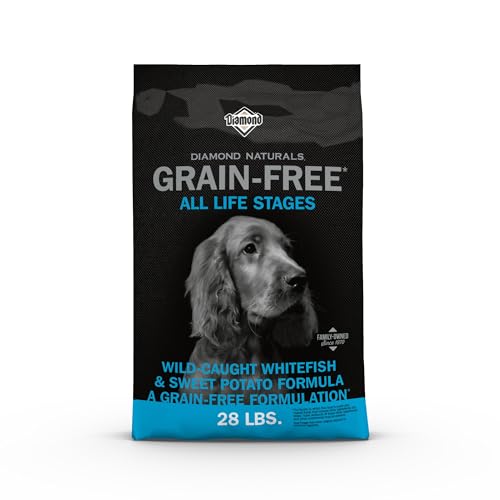
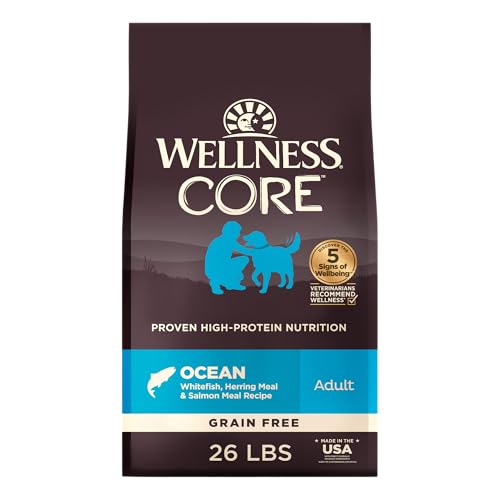
Our top pick is Purina Pro Plan Sensitive Skin & Stomach Salmon & Rice Formula. It combines high-quality fish protein with easy-to-digest carbohydrates, making it ideal for Australian Shepherds with sensitive stomachs. For a budget-friendly option, consider Diamond Naturals Whitefish & Sweet Potato Recipe. If you have a puppy, the Wellness CORE Grain-Free Puppy (Whitefish & Salmon) is excellent, though grain-inclusive diets are safer for most dogs.
What to consider for White Fish Dog Food For Australian Shepherds
Australian Shepherds are an active, medium-to-large breed with a predisposition to hip and elbow dysplasia. They also have thick double coats that require adequate omega-3 and omega-6 fatty acids for skin and coat health. White fish is a lean, novel protein source that can be easier on sensitive stomachs and less likely to trigger food allergies compared to chicken or beef. When selecting a white fish dog food, look for named fish meal (like whitefish meal) as a primary ingredient, and ensure the recipe provides balanced calcium and phosphorus for joint health. Avoid foods with excessive fillers or artificial additives.
What to look for in a dog food
First, confirm the food meets AAFCO nutrient profiles for your dog’s life stage (puppy, adult, or senior). The first ingredient should be a named meat or fish meal, such as whitefish or salmon meal. Aim for a protein content of 22 to 32 percent on a dry matter basis, and fat content of 12 to 18 percent. For Australian Shepherds, a calorie density of 350 to 450 kcal per cup is appropriate, but adjust based on activity level. If you have a puppy, choose a large-breed puppy formula to support controlled growth. Look for added glucosamine and chondroitin for joint support, and omega-3 fatty acids from fish oil for coat health.
How we chose these picks
- Evaluated ingredient lists for named white fish sources as the first ingredient.
- Checked that formulas meet AAFCO nutritional adequacy for the appropriate life stage.
- Prioritized brands with strong safety records and quality control (e.g., Purina, Hill’s, Royal Canin).
- Considered specific needs of Australian Shepherds: joint support, omega fatty acids, and moderate calorie density.
- Reviewed customer feedback and long-term feeding experiences.
- Ensured a range of price points to suit different budgets.
- Never ranked a product higher just because it pays a commission.
What to avoid
- Avoid foods where the primary protein source is an unnamed “meat meal” or “poultry meal” instead of a named fish meal.
- Be cautious with grain-free diets unless your vet recommends them; the FDA continues to investigate a potential link between grain-free, legume-heavy diets and canine DCM. Grain-inclusive recipes are the safer default.
- Do not feed an all-life-stages food to a large-breed puppy, as it may have inappropriate calcium levels. Use a large-breed puppy formula instead.
- Avoid abrupt diet changes; transition over 7 to 10 days by gradually mixing old and new food.
For more guidance, visit our dog guides or check out dog food and dog nutrition pages.