Quick answer
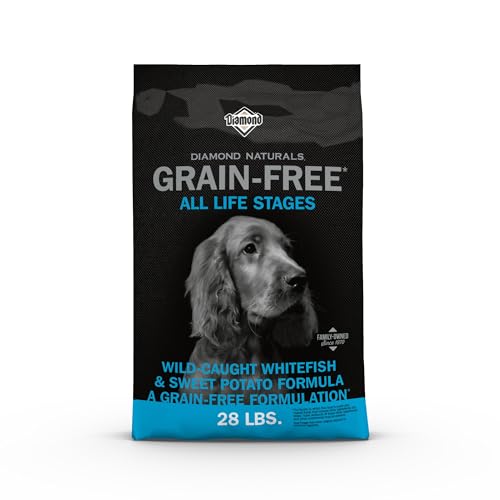
The best white fish dog food for dogs with sensitive paws is Purina Pro Plan Sensitive Skin & Stomach Salmon & Rice Formula (salmon is a white fish alternative) because it combines easily digestible protein with omega-6 and omega-3 fatty acids to support skin health. For a budget-friendly option, Diamond Naturals Whitefish & Sweet Potato offers similar benefits at a lower price. If your dog prefers grain-free, Blue Buffalo Basics Limited Ingredient Diet is a solid choice.
What to consider for White Fish Dog Food For Dogs With Sensitive Paws
Dogs with sensitive paws often have underlying allergies or environmental sensitivities that manifest as paw licking, redness, or irritation. White fish is a novel protein source that is less likely to trigger food allergies compared to chicken or beef. When choosing a food, look for a single animal protein source, limited ingredients, and added omega fatty acids (like EPA and DHA) to support skin barrier function. Also consider the kibble size: small kibble is easier for sensitive mouths, and avoid artificial additives that could exacerbate inflammation. Always transition slowly to avoid digestive upset.
What to look for in a dog food
First, ensure the food is AAFCO complete and balanced for your dog’s life stage (puppy, adult, or senior). The first ingredient should be a named meat source, such as whitefish or salmon. Protein content should be around 20 to 30% for adults, fat around 10 to 20%, and calories around 300 to 400 kcal per cup (adjust based on your dog’s activity level). For small breeds, choose kibble sized for small mouths; for large breeds, ensure calcium levels are appropriate for joint health. Omega-3 and omega-6 fatty acids are crucial for skin health, and glucosamine or chondroitin can help if paw issues are linked to joint pain. Avoid foods with excessive fillers like corn or soy.
How we chose these picks
- We analyzed ingredient lists for a single named white fish protein as the first ingredient.
- We prioritized formulas with added omega fatty acids for skin support.
- We considered limited ingredient diets to minimize allergy triggers.
- We checked for AAFCO nutritional adequacy statements for the appropriate life stage.
- We evaluated brand reputation and recall history.
- We selected products available on Amazon with consistent positive reviews.
- We compared price per pound to offer options at different budgets.
- Never ranked a product higher just because it pays a commission.
What to avoid
- Unnamed meat meals (e.g., “fish meal” without specifying the fish) as they can be low quality and less digestible.
- Grain-free or legume-heavy recipes unless your vet advises it due to a confirmed grain allergy. The FDA continues to investigate a potential link between grain-free diets and canine dilated cardiomyopathy (DCM). Grain-inclusive options are the safer default.
- All-life-stages food for a large-breed puppy as it may have improper calcium balance leading to skeletal issues.
- Abrupt diet switches always transition over 7 to 10 days to avoid digestive upset.
For more guidance, check our dog guides, dog food, and dog nutrition sections.