Quick answer
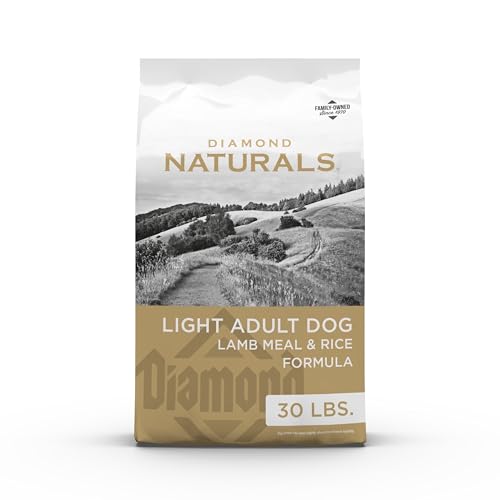
Our top pick is the Purina Pro Plan Weight Management Chicken & Rice Formula, which combines low fat (around 8% crude fat) with high-quality protein and a taste that even finicky dogs enjoy. For dogs with sensitive stomachs, Hill’s Science Diet Perfect Weight Chicken Recipe is a close second. If you’re on a budget, Diamond Naturals Light & Fit offers solid nutrition at a lower price.
What to consider for Low Fat Dog Food For Picky Eaters
Choosing a low fat dog food for a picky eater requires balancing two goals: reducing calorie and fat intake for weight management or health conditions, and ensuring the food is palatable enough that your dog will actually eat it. Many low fat diets rely on lower fat levels, which can reduce flavor. Look for foods with natural flavor enhancers like chicken fat (in small amounts) or palatants. Also consider texture: some picky dogs prefer smaller kibble or a mix of sizes. Always transition slowly over 7 to 10 days to avoid digestive upset.
What to look for in a dog food
First, ensure the food has an AAFCO statement of nutritional adequacy for your dog’s life stage (adult maintenance or all life stages). The first ingredient should be a named meat source like chicken, turkey, or fish. For low fat diets, look for crude fat content between 5% and 12% on a dry matter basis, and calories around 300 to 350 kcal per cup. Protein should be moderate to high (20% to 30%). If your dog is a large breed, choose a formula with appropriate kibble size and controlled calcium levels. Joint support from glucosamine and omega-3 fatty acids from fish oil are beneficial for overweight dogs.
How we chose these picks
- We selected only products that meet AAFCO nutrient profiles for adult maintenance or all life stages.
- We prioritized named meat as the first ingredient and avoided unnamed meat meals.
- We evaluated fat content to ensure it falls within a low fat range (under 12% crude fat).
- We considered palatability based on customer feedback and ingredient quality.
- We checked for inclusion of beneficial additives like omega fatty acids and joint supplements.
- We balanced price across budget and premium options.
- We ensured each product is widely available on Amazon.
- Never ranked a product higher just because it pays a commission.
What to avoid
- Avoid foods where the only protein source is an unnamed “meat meal” or “poultry meal” without species specified.
- Do not default to grain-free or legume-heavy recipes unless your veterinarian advises it due to a specific allergy; the FDA is still investigating a potential link between grain-free diets and canine dilated cardiomyopathy (DCM).
- For large breed puppies, avoid all-life-stages foods that don’t meet large breed puppy calcium and phosphorus limits.
- Never switch your dog’s food abruptly; always transition over 7 to 10 days to prevent gastrointestinal upset.
For more guidance, visit our dog guides, dog food, and dog nutrition pages.