Quick answer
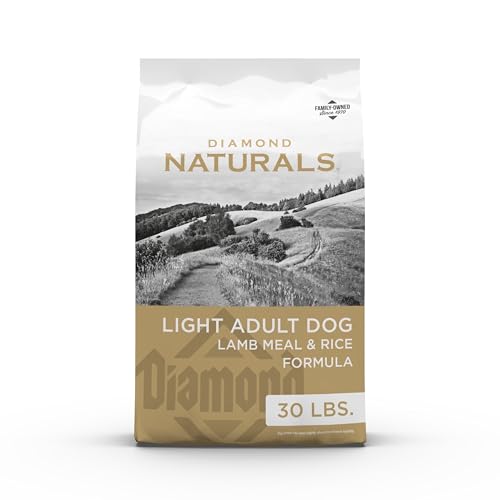
Our top pick is Hill’s Science Diet Adult Perfect Weight Small & Mini Chicken & Barley Recipe. It combines low fat with high-quality protein and omega-6s for coat health. For dogs with sensitive stomachs, Purina Pro Plan Sensitive Skin & Stomach Salmon & Rice is a strong alternative. Budget-conscious owners should consider Diamond Naturals Light & Fit.
What to consider for Low Fat Dog Food For Dogs With Thick Coats
Dogs with thick coats often have higher nutritional needs for skin and coat health. Low-fat diets can help manage weight, but must still provide adequate essential fatty acids like omega-3 and omega-6 to maintain a shiny coat and healthy skin. Look for named animal protein sources and avoid excessive fillers. Also consider the dog’s activity level and life stage.
What to look for in a dog food
Choose a food that is AAFCO complete and balanced for your dog’s life stage. The first ingredient should be a named meat (e.g., chicken, salmon). Protein content should be around 20 to 30% on a dry matter basis, fat around 8 to 15% for low-fat options. For thick coats, omega-6 fatty acids (like linoleic acid) and omega-3s (from fish oil) are beneficial. If your dog is a large breed, ensure the food meets large breed puppy or adult guidelines. Joint support (glucosamine, chondroitin) can be a bonus for active dogs.
How we chose these picks
- We reviewed guaranteed analysis and ingredient lists for fat content and quality.
- We prioritized foods with named meat or fish as the first ingredient.
- We checked for omega fatty acids to support coat health.
- We considered brand reputation and adherence to AAFCO standards.
- We balanced price and availability on Amazon.
- We read customer reviews for palatability and digestive tolerance.
- We avoided products with excessive fillers or artificial additives.
- Never ranked a product higher just because it pays a commission.
What to avoid
- Avoid foods with unnamed “meat meal” as the primary protein source.
- Be cautious with grain-free or legume-heavy recipes; the FDA continues to investigate a potential link to canine DCM. Grain-inclusive diets are generally safer unless a veterinarian advises otherwise.
- Do not feed all-life-stages food to a large-breed puppy, as it may have improper calcium levels.
- Avoid abrupt diet changes; transition over 7 to 10 days to prevent digestive upset.
For more guidance, visit our dog guides, dog food, and dog nutrition pages.