Quick answer
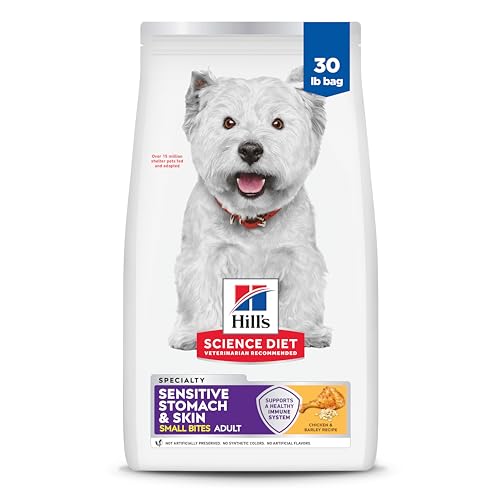
Our top pick is Purina Pro Plan Weight Management Large Breed because it provides high-quality chicken protein, glucosamine for joints, and 339 kcal per cup to support healthy weight loss. For dogs with sensitive stomachs, Hill’s Science Diet Sensitive Stomach & Skin is a great runner-up. If you need a budget-friendly option, Diamond Naturals Light & Fit offers solid nutrition at a lower price.
What to consider for Low Calorie Dog Food For German Shepherds
German Shepherds are prone to hip dysplasia and obesity, so a low-calorie food must still deliver adequate protein (typically 22 to 26% dry matter) to maintain muscle mass while reducing fat (8 to 12% dry matter). Calorie density should be around 300 to 350 kcal per cup. Look for added glucosamine and chondroitin for joint health, and omega-3 fatty acids (from fish oil or flaxseed) to support skin and coat. Avoid foods with excessive fillers like corn or wheat that add empty calories.
What to look for in a dog food
First, ensure the food is AAFCO complete and balanced for the appropriate life stage (adult or all life stages). The first ingredient should be a named meat source (e.g., chicken, lamb, or salmon). Protein content should be 22 to 26% on a dry matter basis, fat 8 to 12%, and fiber 4 to 6% to promote satiety. Calorie content should be clearly stated per cup or kg. For large breeds like German Shepherds, kibble size and shape matter; larger kibble encourages chewing and slows eating. Joint-supporting ingredients (glucosamine, chondroitin, omega-3s) are beneficial. Avoid foods with unspecified meat meals or excessive salt.
How we chose these picks
- Evaluated calorie density and macronutrient profiles against established guidelines for weight management in large breeds.
- Checked that the first ingredient is a named animal protein source.
- Prioritized foods with added joint-supporting nutrients like glucosamine and omega-3s.
- Selected products from reputable brands with a history of meeting AAFCO standards and conducting feeding trials.
- Considered price per pound to offer options across budgets.
- Read ingredient lists to avoid artificial preservatives, colors, and excessive fillers.
- Reviewed customer feedback for palatability and digestive tolerance in German Shepherds.
- Never ranked a product higher just because it pays a commission.
What to avoid
- Avoid foods with an unnamed “meat meal” as the sole protein source; look for named meals like “chicken meal” or “salmon meal.”
- Do not default to grain-free or legume-heavy recipes unless your veterinarian advises it, as the FDA is investigating a potential link between grain-free diets and canine dilated cardiomyopathy (DCM).
- Steer clear of “all life stages” foods for a large-breed puppy; they may have inappropriate calcium-to-phosphorus ratios.
- Avoid abrupt diet switches; transition over 7 to 10 days to prevent digestive upset.
For more guidance, visit our dog guides, dog food, and dog nutrition pages.