Quick answer
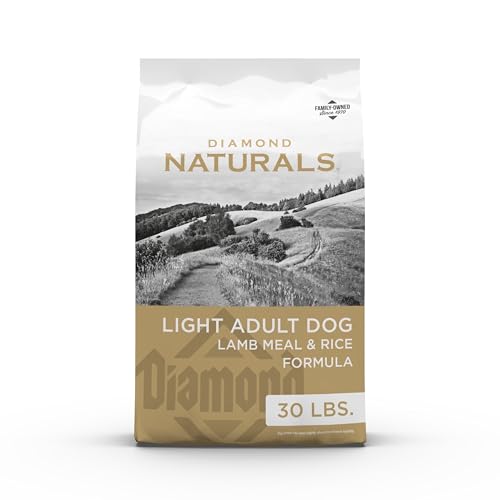
Our top pick is Purina Pro Plan Weight Management Chicken & Rice Formula. It delivers balanced nutrition with fewer calories, plus glucosamine for joints. For a budget-friendly alternative, Diamond Naturals Light & Lean offers similar benefits at a lower price. If your Corso has a sensitive stomach, Hill’s Science Diet Perfect Weight is a great choice.
What to consider for Low Calorie Dog Food For Cane Corsos
Cane Corsos are large, muscular dogs with a tendency to gain weight easily. Excess weight strains their joints, especially hips and elbows. A low-calorie food should still provide adequate protein for muscle maintenance and include joint-supporting ingredients like glucosamine and chondroitin. Portion control is crucial, and treats should be factored into daily calorie intake. Always consult your veterinarian before starting a weight management plan.
What to look for in a dog food
Look for a food that is AAFCO complete and balanced for your dog’s life stage (adult or senior). The first ingredient should be a named meat source (e.g., chicken, lamb). Protein should be around 20 to 30 percent, fat 8 to 15 percent, and calories in the range of 250 to 350 per cup. For large breeds, ensure proper calcium and phosphorus levels. Added glucosamine and omega-3 fatty acids support joint and coat health. Avoid foods with excessive fillers like corn or soy.
How we chose these picks
- Reviewed nutritional profiles for calorie density, protein, and fat content.
- Checked that ingredients meet AAFCO standards for adult large-breed dogs.
- Prioritized formulas with named meat as the first ingredient.
- Evaluated joint-supporting additives like glucosamine and chondroitin.
- Considered brand reputation and manufacturing quality standards.
- Read customer feedback for palatability and digestive tolerance in large breeds.
- Compared price per pound to ensure value.
- Never ranked a product higher just because it pays a commission.
What to avoid
- Avoid foods with unnamed meat meals (e.g., “poultry meal”) as the primary protein source.
- Be cautious with grain-free or legume-heavy recipes due to the FDA DCM investigation; grain-inclusive is generally safer unless your vet advises otherwise.
- Do not feed all-life-stages food to a large-breed puppy; it may have improper calcium levels.
- Avoid abrupt diet switches; transition over 7 to 10 days to prevent digestive upset.
For more guidance, see our dog guides, dog food, and dog health articles.