Quick answer
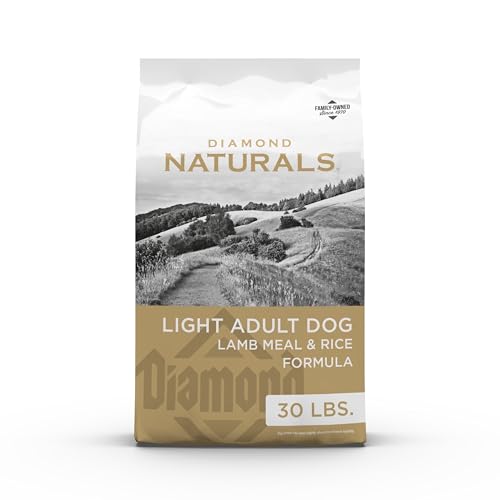
Our top pick is Hill’s Science Diet Adult Perfect Weight Small & Mini Chicken Recipe. It combines low calories with controlled carbohydrates to support weight management while minimizing yeast triggers. For dogs with sensitive stomachs, Purina Pro Plan Sensitive Skin & Stomach Salmon & Rice is a strong alternative. If you need a budget-friendly option, consider Diamond Naturals Light Lamb & Rice.
What to consider for Low Calorie Dog Food For Yeast Issues
Yeast overgrowth in dogs often stems from underlying allergies, immune imbalances, or dietary triggers like high sugar and starch. A low calorie formula helps manage weight, which reduces skin folds where yeast thrives. Key considerations include limited carbohydrate sources (avoiding white potatoes, corn, and wheat), a single novel protein to reduce allergy risk, and inclusion of omega-3 fatty acids for skin health. Always consult your veterinarian before changing your dog’s diet, especially if yeast infections are recurrent.
What to look for in a dog food
Look for a food that is AAFCO complete and balanced for your dog’s life stage. The first ingredient should be a named meat (e.g., chicken, lamb, salmon). Protein should be moderate (20-30% dry matter) to support lean muscle without excess. Fat content around 8-15% helps maintain energy without adding too many calories. For small breeds, kibble size matters; large breeds need larger kibble to encourage chewing. Joint support (glucosamine, chondroitin) is beneficial for overweight dogs. Omega-3 fatty acids from fish oil or flaxseed can reduce inflammation and support skin health.
How we chose these picks
- Reviewed ingredient lists for low carbohydrate and sugar content.
- Ensured each product is AAFCO complete and balanced for adult maintenance or all life stages.
- Selected foods with a single, named animal protein to minimize allergy triggers.
- Prioritized recipes with added omega-3 fatty acids for skin and coat health.
- Checked calorie density to ensure weight management support.
- Considered brand reputation and recall history.
- Never ranked a product higher just because it pays a commission.
What to avoid
- Unnamed “meat meal” as the primary protein source; it can be from unknown animals and may trigger allergies.
- Grain-free or legume-heavy recipes without veterinary guidance due to the FDA’s ongoing investigation into a potential link with canine dilated cardiomyopathy (DCM).
- All-life-stages food for large-breed puppies, as it may have improper calcium-to-phosphorus ratios.
- Abrupt diet switches; transition over 7 to 10 days to avoid digestive upset.
For more guidance, explore our dog guides or visit dog food reviews and dog health tips.