Quick answer
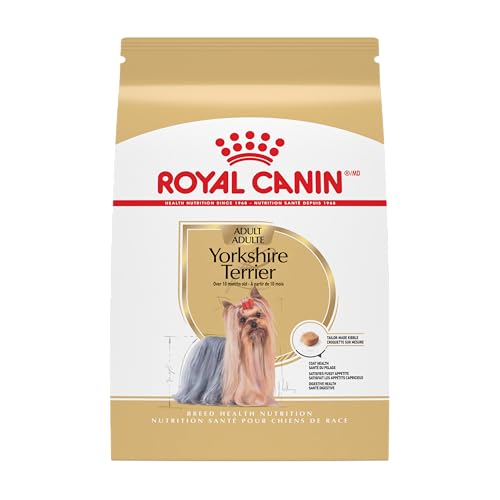
Our top pick is Royal Canin Yorkshire Terrier Adult Dry Dog Food, formulated specifically for Yorkies with small kibble and balanced nutrients. For owners seeking a budget-friendly option, Diamond Naturals Small Breed Adult Dog Food offers quality ingredients at a lower price. If your Yorkie has a sensitive stomach, Hill’s Science Diet Sensitive Stomach & Skin Small Bites is a reliable choice.
What to consider for Large Breed Dog Food For Yorkies
While Yorkies are a small breed, some owners may prefer a food labeled for large breeds due to perceived benefits for joint health or satiety. However, large breed formulas are designed for dogs over 50 pounds and often have larger kibble and different calcium levels. For a Yorkie, it’s crucial to choose a food with small kibble size to prevent choking and dental issues. The calorie density should match their high metabolism, and protein should come from named animal sources. Always consult your veterinarian before switching to a large breed formula for a small dog.
What to look for in a dog food
Look for an AAFCO complete and balanced statement for the appropriate life stage (adult or puppy). The first ingredient should be a named meat like chicken or lamb. Protein content should be around 25 to 30 percent, fat 12 to 18 percent, and calories 350 to 400 kcal per cup. For Yorkies, small kibble size is important. Joint support from glucosamine and omega fatty acids for skin and coat are beneficial. Avoid all-life-stages foods for puppies unless they meet large breed puppy guidelines.
How we chose these picks
- Evaluated ingredient quality and named protein sources.
- Checked for AAFCO nutritional adequacy statements.
- Considered kibble size suitability for small breeds.
- Reviewed customer feedback for palatability and digestive tolerance.
- Ensured products are from reputable brands with history of safety.
- Compared price per pound to offer value options.
- Never ranked a product higher just because it pays a commission.
What to avoid
- Unnamed meat meals as the primary protein source.
- Grain-free or legume-heavy diets unless recommended by a vet due to potential DCM link.
- All-life-stages food for large breed puppies without proper calcium levels.
- Abrupt diet changes; transition over 7 to 10 days.
For more guides, visit our dog guides, dog food, and dog nutrition sections.