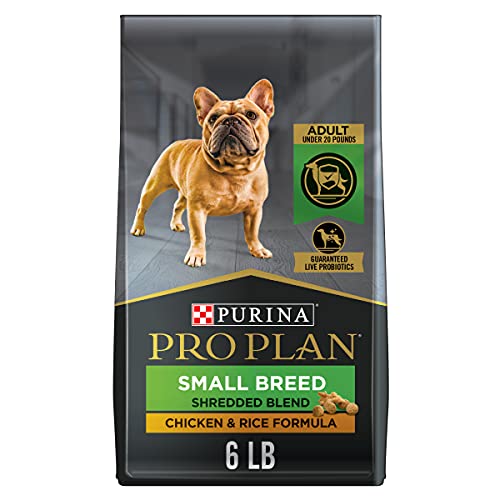
Quick answer
Our top pick for small breed rescue dogs is Royal Canin Small Breed Adult Dry Dog Food. It offers highly digestible proteins and prebiotics to support sensitive digestion, common in rescue dogs. For dogs with severe food sensitivities, Hill’s Science Diet Sensitive Stomach & Skin Small Breed is an excellent alternative. Both are backed by AAFCO feeding trials and widely recommended by veterinarians.
What to consider for Small Breed Dog Food For Rescue Dogs
Rescue dogs often arrive with unknown dietary histories, stress-related digestive upset, and possible food allergies. Small breeds have higher metabolic rates and smaller stomachs, so calorie density and kibble size matter. Look for formulas with a single novel protein source (like salmon or lamb) to minimize allergic reactions. Avoid foods with artificial additives or excessive fillers. Probiotics and prebiotics can help ease the transition and support gut health. Always transition slowly over 7 to 10 days to avoid gastrointestinal upset.
What to look for in a dog food
First, ensure the food states it is complete and balanced according to AAFCO for the appropriate life stage (adult maintenance or all life stages). Look for a named meat protein (e.g., chicken, salmon, lamb) as the first ingredient. Protein content should be around 25 to 30% for small breeds, fat around 14 to 20%, and calories between 350 to 450 kcal per cup. Small breed formulas typically have smaller kibble size to accommodate smaller jaws. Omega-3 and omega-6 fatty acids (from fish oil or flaxseed) support skin and coat health. Glucosamine and chondroitin can benefit joint health, especially in older rescue dogs.
How we chose these picks
- Evaluated ingredient lists for named protein sources and absence of artificial preservatives, colors, or flavors.
- Checked that each product meets AAFCO nutrient profiles for the intended life stage.
- Prioritized brands with a history of conducting AAFCO feeding trials or using research-backed formulations.
- Selected formulas specifically designed for small breeds (kibble size and nutrient density).
- Considered digestibility and inclusion of probiotics or prebiotics for sensitive stomachs.
- Reviewed customer feedback for palatability and reported digestive issues in rescue dogs.
- Compared price per pound to ensure value without sacrificing quality.
- Never ranked a product higher just because it pays a commission.
What to avoid
- Unnamed meat meals like “meat meal” or “poultry meal” as the primary protein source, as they can be low-quality or inconsistent.
- Grain-free diets unless specifically recommended by a veterinarian, due to the ongoing FDA investigation into a potential link with canine dilated cardiomyopathy (DCM). Grain-inclusive formulas are generally safer.
- All-life-stages foods for small breed adult dogs, as they may have inappropriate calcium-to-phosphorus ratios or calorie levels.
- Abrupt diet switches; always transition over 7 to 10 days to prevent digestive upset.
For more guidance, explore our dog guides and related articles on dog food and dog nutrition.