Quick answer
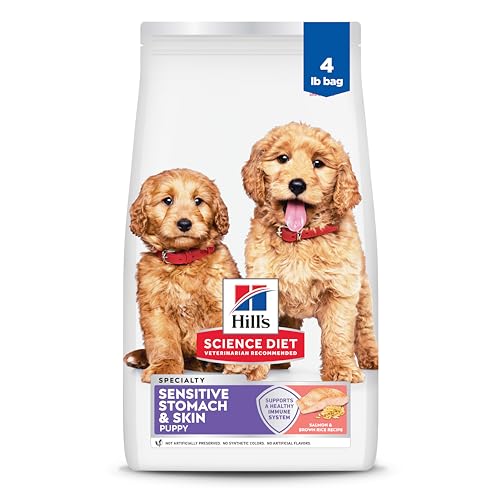
For most Cockapoo puppies, we recommend Purina Pro Plan Puppy Small Breed Chicken & Rice Formula. It offers DHA for brain development, high-quality protein, and small kibble size. For puppies with sensitive stomachs, Hill’s Science Diet Puppy Sensitive Stomach & Skin is a strong alternative. For budget-conscious owners, Diamond Naturals Puppy Formula provides excellent nutrition at a lower price point.
What to consider for Puppy Food For Cockapoos
Cockapoos are a crossbreed between a Cocker Spaniel and a Poodle, typically weighing between 10 to 20 pounds as adults. Their puppyhood is a critical time for growth, and they require a diet that supports bone development, brain health, and a shiny coat. Because Cockapoos can be prone to allergies and sensitive stomachs, choosing a food with limited ingredients or novel proteins may be beneficial. Additionally, their floppy ears make them susceptible to ear infections, so omega-3 fatty acids can help reduce inflammation. Small breed puppies have fast metabolisms and need calorie-dense food to maintain energy levels, but portion control is essential to prevent obesity.
What to look for in a dog food
When selecting a puppy food for your Cockapoo, look for an AAFCO statement that says the food is complete and balanced for growth or all life stages. The first ingredient should be a named meat source like chicken, lamb, or salmon. Protein content should be between 22% to 32% on a dry matter basis, and fat between 12% to 20%. For small breed puppies, kibble size matters for ease of eating. DHA (docosahexaenoic acid) supports brain and vision development, while calcium and phosphorus levels should be appropriate for large breed growth if your Cockapoo is on the larger side. Omega-3 and omega-6 fatty acids promote healthy skin and coat. Avoid foods with artificial preservatives, colors, or flavors.
How we chose these picks
- Evaluated ingredient quality and nutritional adequacy based on AAFCO standards.
- Prioritized products with named meat as the first ingredient and no unnamed meat meals.
- Considered specific life-stage appropriateness for puppies.
- Reviewed brand reputation and history of quality control.
- Analyzed customer feedback for palatability and digestive tolerance.
- Compared price per pound to ensure value.
- Checked for inclusion of DHA and omega fatty acids.
- Never ranked a product higher just because it pays a commission.
What to avoid
- Avoid foods with unnamed meat meal (e.g., “meat meal” or “poultry meal”) as the primary protein source.
- Be cautious with grain-free or legume-heavy recipes due to the ongoing FDA investigation into a potential link with canine dilated cardiomyopathy (DCM). Unless your vet advises otherwise, grain-inclusive formulas are a safer default.
- Do not feed an “all life stages” food to a large-breed puppy, as it may contain inappropriate calcium levels.
- Avoid abrupt diet switches; transition over 7 to 10 days to prevent digestive upset.
For more dog food guidance, visit our dog guides and explore dog food and dog nutrition categories.