Quick answer
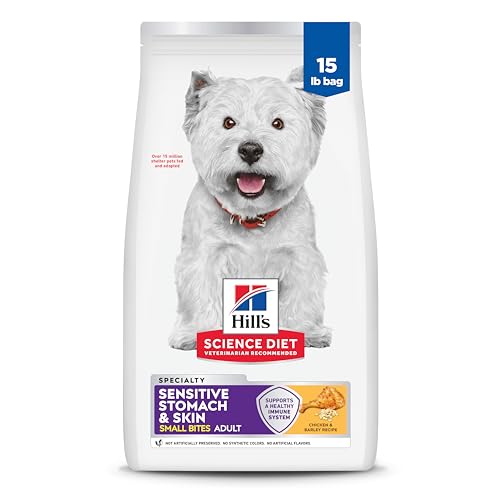
For most active puppies, our top pick is Purina Pro Plan Puppy High Protein. It offers 30% protein and 20% fat from real chicken, with DHA for brain development. For sensitive stomachs, Hill’s Science Diet Puppy Sensitive Stomach is excellent. If you’re on a budget, Diamond Naturals Puppy provides solid nutrition at a lower price.
What to consider for Puppy Food For Active Dogs
Active puppies burn more calories and need higher energy density to maintain body condition. Look for a food with at least 28% protein and 15% fat to support muscle growth and sustained energy. Large-breed puppies require controlled calcium and phosphorus levels to avoid skeletal issues, while small breeds need smaller kibble and higher calorie density. Joint support from glucosamine and chondroitin can be beneficial for active breeds prone to hip dysplasia. Omega-3 fatty acids from fish oil aid brain development and reduce inflammation.
What to look for in a dog food
Choose a food that states it is AAFCO complete and balanced for growth (puppy) or all life stages. The first ingredient should be a named meat source like chicken, lamb, or salmon. Protein should be between 28% and 35%, fat between 15% and 25% for active puppies. Avoid foods with excessive carbohydrates or fillers. For large breeds, ensure calcium is around 1.0% to 1.5% and phosphorus around 0.8% to 1.2%. Small breeds may need kibble size under 1 cm. Added glucosamine and chondroitin support joints, and DHA from fish oil supports cognitive development.
How we chose these picks
- We evaluated nutritional profiles against AAFCO guidelines for growth.
- We prioritized named animal protein as the first ingredient.
- We considered protein and fat levels suitable for active puppies.
- We checked for appropriate calcium and phosphorus ratios for size.
- We looked for added DHA, omega-3s, and joint supplements.
- We reviewed brand reputation and manufacturing quality standards.
- We balanced price and availability on major retail platforms.
- Never ranked a product higher just because it pays a commission.
What to avoid
- Avoid foods with unnamed “meat meal” as the only protein source; look for named meals like chicken meal.
- Be cautious with grain-free diets: the FDA is investigating a potential link to DCM. Grain-inclusive recipes are the safer default unless your vet advises otherwise.
- Do not feed an “all life stages” food to a large-breed puppy, as it may have improper calcium levels.
- Avoid abrupt diet changes; transition over 5 to 7 days by mixing old and new food.
For more guidance, see our dog guides and check our dog food and dog nutrition resources.