Quick answer
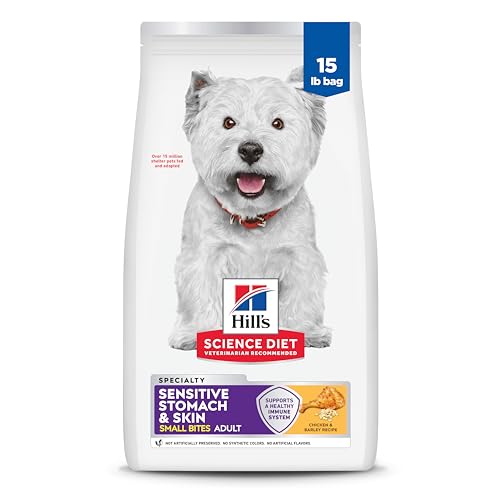
Our top pick is Royal Canin Puppy Gastrointestinal Food, formulated with highly digestible proteins and prebiotics to support digestive health. For a budget-friendly option, Purina Pro Plan Focus Sensitive Skin & Stomach Puppy offers similar benefits at a lower price. If your puppy prefers grain-inclusive recipes, Hill’s Science Diet Puppy Sensitive Stomach & Skin is an excellent choice.
What to consider for Puppy Food For Puppies With Sensitive Stomachs
Puppies with sensitive stomachs often experience loose stools, vomiting, or gas after eating. Key considerations include a single, novel protein source (like salmon or lamb) to reduce allergy risk, a limited ingredient list to minimize triggers, and added probiotics or prebiotics for gut health. Avoid foods with artificial additives, high fat content, or common allergens like chicken or beef. Always transition slowly over 7 to 10 days to avoid digestive upset.
What to look for in a dog food
Look for an AAFCO statement confirming the food is complete and balanced for growth (puppy life stage). The first ingredient should be a named meat (e.g., chicken, salmon) or meat meal (e.g., chicken meal). Protein content should be around 25 to 32% on a dry matter basis, fat 12 to 20%, and calories 350 to 450 kcal/cup for most puppies. For large breed puppies, ensure calcium levels are within AAFCO’s recommended range (0.8 to 1.2%) to support bone development. Omega-3 fatty acids from fish oil can help reduce inflammation and support skin and coat health.
How we chose these picks
- Evaluated ingredient lists for named meat sources and limited fillers.
- Checked for added probiotics or prebiotics to support digestion.
- Verified AAFCO nutritional adequacy for growth.
- Considered brand reputation and history of quality control.
- Read customer reviews for real-world digestive tolerance.
- Compared price per pound to ensure value.
- Consulted veterinary nutrition guidelines for sensitive stomachs.
- Never ranked a product higher just because it pays a commission.
What to avoid
- Foods with unnamed meat meal (e.g., poultry meal) as the only protein source, which can be ambiguous.
- Defaulting to grain-free or legume-heavy recipes unless recommended by a vet, due to the ongoing FDA investigation into a potential link with canine dilated cardiomyopathy (DCM). Grain-inclusive diets are generally safer.
- All-life-stages food for large-breed puppies, as it may have inappropriate calcium levels.
- Abrupt diet switches; always transition over at least 7 days.
For more dog food advice, visit our dog guides and explore dog food or dog nutrition resources.