Quick answer
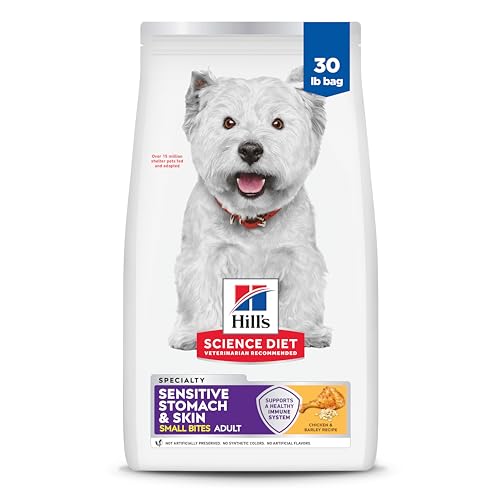
The best working dog food for Poodles is Purina Pro Plan Sport All Life Stages Performance 30/20. It provides high protein and fat to fuel active dogs, with real chicken as the first ingredient. For Poodles with sensitive stomachs, the Hill’s Science Diet Adult Sensitive Stomach & Skin is a great alternative with prebiotic fiber and easily digestible ingredients.
What to consider for Working Dog Food For Poodles
Poodles are a versatile breed originally bred as water retrievers, so they have high energy needs and a tendency to maintain lean muscle. Working Poodles, such as those in agility, hunting, or service roles, require a diet rich in animal-based protein (at least 25 to 30 percent) and moderate to high fat (15 to 20 percent) for sustained energy. Their curly coats also benefit from omega-3 and omega-6 fatty acids for skin and coat health. Additionally, Poodles can be prone to hip dysplasia and other joint issues, so glucosamine and chondroitin are valuable additions. Because some Poodles have sensitive digestion, easily digestible carbohydrates like rice or oatmeal are preferable over corn or wheat.
What to look for in a dog food
When selecting a working dog food for Poodles, look for an AAFCO statement that confirms the food is complete and balanced for the appropriate life stage (adult maintenance or all life stages). The first ingredient should be a named meat source such as chicken, beef, or fish. Protein content should be between 25 and 35 percent, fat between 12 and 20 percent, and calories around 350 to 450 kcal per cup for active dogs. For Poodles, a large-breed formula may be beneficial for standard Poodles to support joint health, while small-breed formulas suit toy or miniature varieties. Added glucosamine and chondroitin support joints, and omega fatty acids promote a healthy coat. Avoid foods with excessive fillers or artificial preservatives.
How we chose these picks
- We evaluated each product’s ingredient list to ensure a named meat is the first ingredient.
- We checked that the food meets AAFCO nutrient profiles for the stated life stage.
- We considered protein, fat, and calorie levels appropriate for active working dogs.
- We prioritized brands with a history of rigorous quality control and research (e.g., Purina, Hill’s, Royal Canin).
- We looked for added joint support and omega fatty acids beneficial for Poodles.
- We read verified buyer feedback to identify common benefits and drawbacks.
- We compared price per pound to ensure value for the nutritional quality.
- Never ranked a product higher just because it pays a commission.
What to avoid
- Avoid foods where the primary protein source is an unnamed “meat meal” or “poultry meal” without a specific animal source.
- Do not default to grain-free or legume-heavy recipes unless your veterinarian advises it; the FDA continues to investigate a potential link between these diets and canine dilated cardiomyopathy (DCM). Grain-inclusive recipes are generally the safer choice.
- Steer clear of all-life-stages formulas for large-breed puppies, as they may not provide the correct calcium-to-phosphorus ratio for controlled growth.
- Always transition to a new food gradually over 5 to 7 days to avoid digestive upset.
For more guidance, explore our dog guides, dog food reviews, and dog nutrition tips.