Quick answer
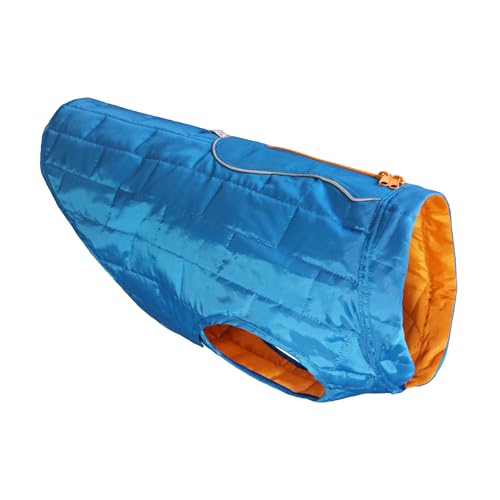
Our top pick is the Ruffwear Powder Hound Insulated Dog Coat. It offers excellent warmth, a secure fit with a harness-compatible back opening, and reflective trim for visibility. For dogs that pull during training, the Kurgo Loft Dog Coat provides a no-pull D-ring and adjustable straps. Budget-conscious owners can consider the Rabbitgoo Dog Winter Coat, which balances affordability with solid features.
What to consider for Dog Winter Coat For Training
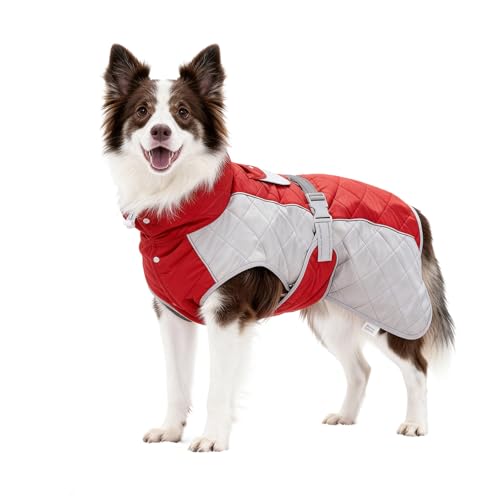
Training sessions require a coat that allows full range of motion, especially in the shoulders and hips. Look for a coat with a cut that doesn’t interfere with leg movement or a harness. Breathability is crucial to prevent overheating during active training. Water resistance is important for outdoor sessions in snow or rain. The coat should also be easy to put on and take off quickly between training exercises. Consider the coat’s weight: too heavy may tire the dog, too light may not provide enough warmth. Finally, ensure the coat has reflective elements for low-light visibility during early morning or evening training.
What to look for in a gear item (harness, collar, leash or muzzle)
For a winter coat used during training, focus on correct fit and sizing: measure your dog’s chest girth and back length, and check the brand’s sizing chart. Durable hardware and materials are essential; look for reinforced stitching and rust-resistant zippers or buckles. Safety features include escape-resistant design (e.g., adjustable neck and chest straps), no-choke construction, and reflective trim for visibility. Comfort and padding are important to prevent chafing during movement. A no-pull design, such as a front D-ring for leash attachment, can help maintain control during training without restricting the dog’s natural gait.
How we chose these picks
- Evaluated warmth-to-weight ratio for active dogs in cold weather.
- Checked for freedom of movement, especially around shoulders and hips.
- Assessed material quality: water resistance, breathability, and durability.
- Verified safety features: reflective elements, secure closures, and escape resistance.
- Considered compatibility with harnesses and training gear.
- Reviewed user feedback on sizing accuracy and ease of use.
- Compared price points to ensure value for money.
- Never ranked a product higher just because it pays a commission.
What to avoid
- Ill-fitting sizes that restrict movement or are too loose, causing tripping or chafing.
- Flimsy clips and zippers that can break during active training, leaving your dog exposed to cold.
- Aversive training tools like prong or choke collars used without professional guidance.
- Retractable leashes near traffic or in training environments where control is critical.
For more tips, explore our dog guides, dog care products, and dog health sections.