Quick answer
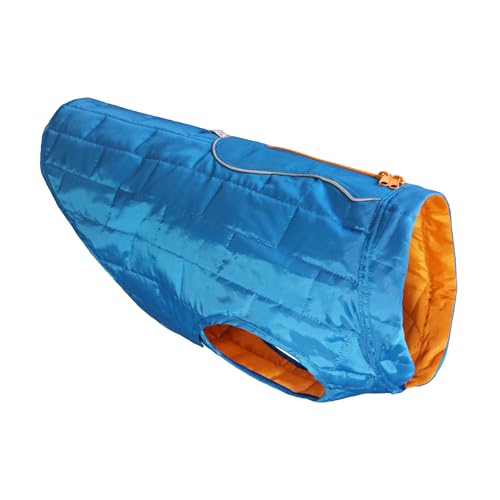
The Chai’s Choice 3M Thinsulate Dog Coat is our top pick for whippets because it offers excellent insulation with a snug fit that accommodates deep chests and narrow waists. For a budget-friendly option, the Pawtitas Waterproof Dog Coat provides solid warmth and reflective trim. If you need maximum coverage, the Ruffwear Powder Hound extends to the belly and tail.
What to consider for Dog Winter Coat For Whippets
Whippets have a unique body shape: deep chest, narrow waist, and long neck. A coat must fit securely without restricting movement. Look for a high neck or collar coverage to protect the throat. Insulation should be adequate for your climate, but avoid overly bulky coats that can cause overheating during activity. Water resistance is important for wet snow or rain. Reflective elements enhance visibility during low-light walks.
What to look for in a gear item (harness, collar, leash or muzzle)
This guide focuses on winter coats, but proper fit is critical. For coats, ensure correct sizing: measure chest girth and back length. Durable materials like ripstop nylon or polyester with reinforced stitching prevent tearing. Safety features include reflective strips and a D-ring for leash attachment. Comfort padding around the chest and neck prevents chafing. Avoid coats with restrictive leg straps that can cause discomfort.
How we chose these picks
- Evaluated insulation materials (Thinsulate, fleece, synthetic fill) for warmth-to-weight ratio.
- Checked sizing charts against whippet breed standards (chest 26-30 inches, back length 20-24 inches).
- Prioritized coats with adjustable closures (Velcro, buckles) for a custom fit.
- Assessed water resistance and breathability for active dogs.
- Reviewed customer feedback on durability after repeated use.
- Considered price-to-value ratio across budget and premium options.
- Never ranked a product higher just because it pays a commission.
What to avoid
- Ill-fitting sizes: a coat that is too loose can slip off; too tight restricts movement.
- Flimsy clips or Velcro that lose grip over time, especially on strong pullers.
- Aversive tools like choke collars or prong collars used without professional guidance.
- Retractable leashes near traffic; they reduce control and can cause injury.
For more help, see our dog guides, dog care products, and dog health resources.