Quick answer
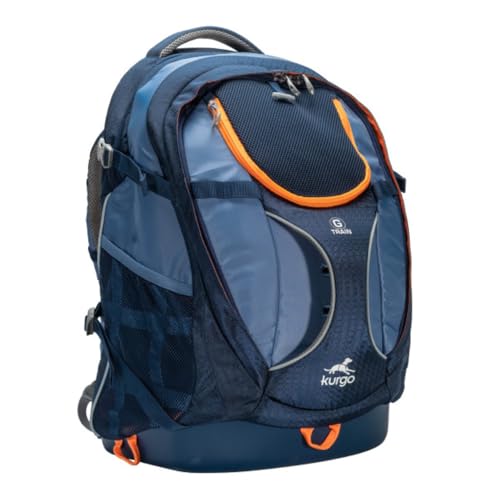
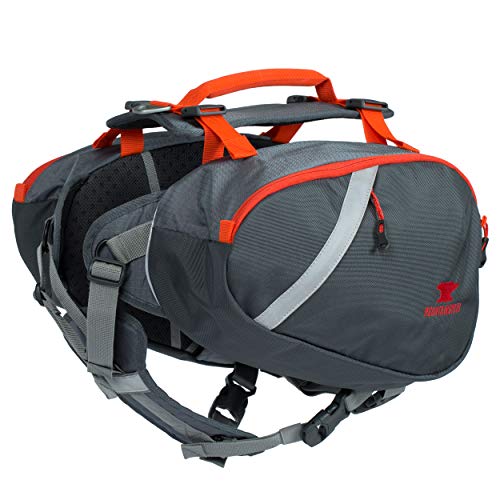
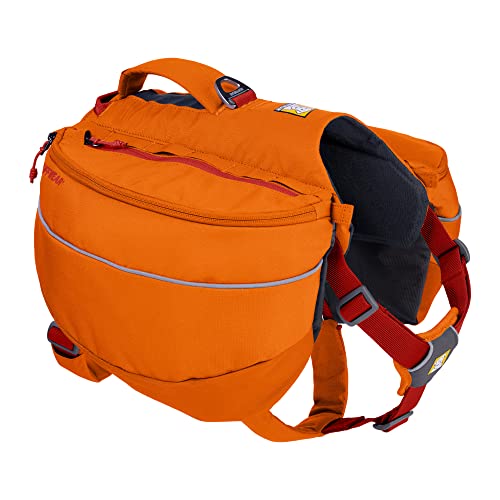
The Ruffwear Approach Pack is our top pick for Bernese Mountain Dogs because of its balanced fit, durable construction, and saddlebag design that distributes weight evenly. For a budget-friendly alternative, the OneTigris Dog Backpack offers good durability at a lower price. If your Berner tends to pull, the Kurgo G-Train Backpack provides excellent no-pull control.
What to consider for Dog Backpack For Bernese Mountain Dogs
Bernese Mountain Dogs are large, powerful dogs bred for draft work. Their deep chest and sturdy build require a backpack with adjustable straps to avoid chafing. Look for a pack with a wide chest strap and padded belly band to distribute weight safely. The pack should not exceed 10 to 12 percent of your dog’s body weight when loaded. Also consider the climate: Berners overheat easily, so breathable mesh panels are important. Finally, ensure the pack has reflective trim for visibility during low-light adventures.
What to look for in a dog backpack
Correct fit and sizing: Measure your dog’s girth (around the widest part of the chest) and length (base of neck to base of tail). A proper fit prevents rubbing and ensures the pack stays in place. Durable hardware and materials: Look for reinforced stitching, heavy-duty zippers, and strong buckles that can withstand a strong pull. Safety features: Reflective strips, a handle for quick control, and a design that won’t slip off during activity. Comfort and padding: Breathable mesh lining and padded straps reduce pressure points. No-pull design: Some backpacks double as no-pull harnesses by attaching the leash to a front D-ring, which discourages pulling.
How we chose these picks
- We evaluated backpacks based on size range: must fit dogs with chest girth up to 40 inches or more.
- We prioritized packs with load capacity suitable for large breeds (at least 20 pounds).
- We assessed material quality: ripstop nylon or similar tear-resistant fabric.
- We checked for safety features like reflective trim and sturdy handles.
- We considered comfort: padding, breathability, and adjustability.
- We reviewed customer feedback for real-world durability and fit on deep-chested dogs.
- We compared price to value, ensuring budget options still meet safety standards.
- Never ranked a product higher just because it pays a commission.
What to avoid
- Ill-fitting sizes: A backpack that is too loose can shift and cause imbalance; too tight can restrict breathing or cause chafing.
- Flimsy clips that fail on strong dogs: Avoid plastic buckles that may snap under heavy loads.
- Aversive tools used without professional guidance: Some backpacks have prong or choke attachments; these should only be used under a trainer’s supervision.
- Retractable leashes near traffic: They offer little control and can be dangerous when attached to a backpack.
For more advice, check out our dog guides, dog care products, and dog nutrition sections.