Quick answer
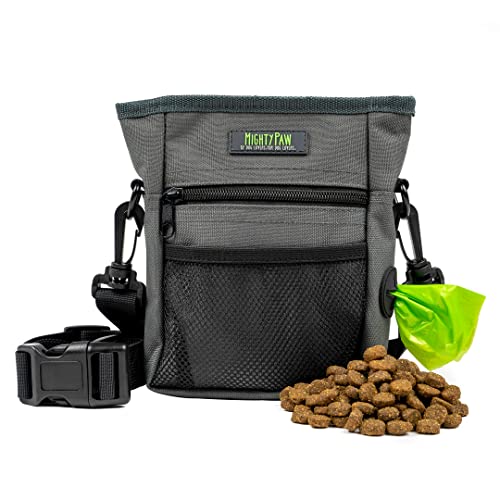
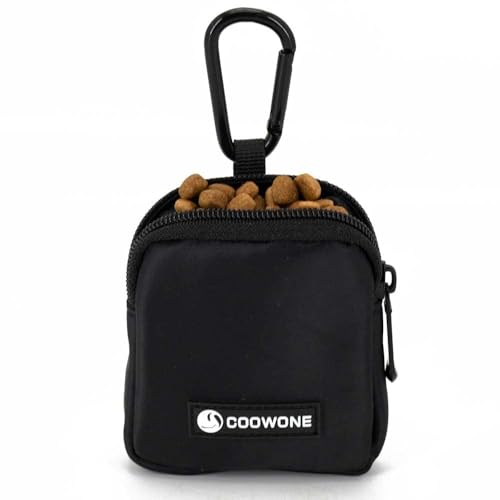
The PetSafe Treat Pouch is our top pick for first-time owners because it offers a roomy main compartment, a drawstring closure for easy one-handed access, and a built-in poop bag dispenser. It’s affordable and durable. If you need something more compact for small treats, the Outward Hound Treat Pouch is a great runner-up. For those who prefer a belt-clip style, the Kurgo Dog Training Pouch is a solid choice.
What to consider for Dog Training Pouch For First Time Owners
When you’re new to dog training, a good pouch can make sessions smoother. Look for a pouch that attaches securely to your belt or waistband so it doesn’t slip off during walks. Consider the size: you want enough room for treats plus a clicker or small toy, but not so bulky that it bounces around. The closure mechanism matters too: magnetic or drawstring closures allow quiet, one-handed access, while zippers can be noisy and slow. Also think about cleanability: treats can leave crumbs and odors, so a pouch that’s machine-washable or easy to wipe out is a plus. Finally, check for extras like a poop bag holder or treat clip, which add convenience.
What to look for in a toy or chew (chew toy, puzzle, lick mat or dental chew)
While this guide focuses on training pouches, the treats you put inside are equally important. For training, choose small, soft treats that can be consumed quickly without distracting your dog. Avoid treats that crumble or leave greasy residue in your pouch. For chew toys and dental chews, size is critical: the toy should be too large to swallow. Durability should match your dog’s chewing strength: aggressive chewers need tough rubber or nylon, while gentle chewers can handle softer materials. Always opt for non-toxic materials (look for food-grade silicone or natural rubber). For dental chews, the Veterinary Oral Health Council (VOHC) seal indicates proven effectiveness. Finally, consider enrichment: puzzle toys and lick mats can provide mental stimulation, but they are not a substitute for training treats.
How we chose these picks
- We evaluated pouches based on capacity, closure type, and attachment method.
- We prioritized pouches with secure belt loops or clips to prevent slipping.
- We considered ease of cleaning and material durability.
- We looked for features like treat clips, poop bag dispensers, and multiple compartments.
- We read verified customer reviews to identify common pros and cons.
- We compared prices to ensure value for money.
- We favored pouches from reputable brands known for pet products.
- Never ranked a product higher just because it pays a commission.
What to avoid
- Pouches with flimsy clips that break easily or don’t stay attached to your belt.
- Pouches made from cheap materials that tear or absorb odors.
- Pouches with noisy closures that startle your dog during training.
- Pouches that are too small to hold enough treats for a session.
- Pouches that are difficult to clean, leading to bacterial buildup.
For more guidance, check out our dog guides, dog care products, and dog nutrition sections.