Quick answer
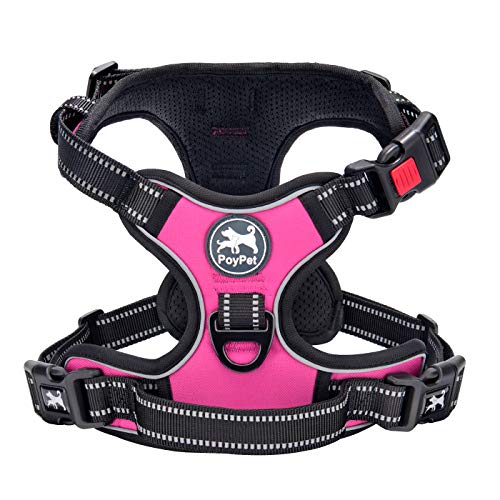
The best dog training collar for Boxers with allergies is the PetSafe Gentle Leader Headcollar, because it avoids neck pressure and uses nylon webbing that is less likely to cause skin reactions. For Boxers that pull strongly, consider the 2 Hounds Design Freedom No-Pull Harness, which offers better control without rubbing. The Sporn Mesh No-Pull Harness is a budget-friendly alternative with breathable mesh.
What to consider for Dog Training Collar For Boxers With Allergies
Boxers are prone to skin allergies, so the collar material is critical. Avoid nickel-plated hardware and opt for stainless steel or plastic buckles. Look for collars with soft, padded linings or those made from hypoallergenic materials like neoprene or nylon. Also consider the design: a martingale collar can prevent slipping without choking, while a head halter offers gentle control. Ensure the collar is easy to clean, as dirt and saliva can exacerbate allergies.
What to look for in a toy or chew (chew toy, puzzle, lick mat or dental chew)
When choosing a toy or chew for a Boxer with allergies, size is key to prevent choking. Durability should match your dog’s chew strength; Boxers are strong chewers. Non-toxic materials are a must, especially for dogs with allergies. For dental chews, look for the VOHC seal of approval. Genuine enrichment value comes from toys that engage your dog mentally, like puzzle toys or lick mats.
How we chose these picks
- We evaluated collar materials for hypoallergenic properties.
- We considered the specific needs of Boxers, including their strong necks and tendency to pull.
- We reviewed customer feedback on durability and skin reactions.
- We prioritized collars with adjustable fit and padding.
- We looked for collars that are easy to clean and maintain.
- We checked for safety features like quick-release buckles.
- We compared price points to offer options for different budgets.
- Never ranked a product higher just because it pays a commission.
What to avoid
- Avoid collars with metal parts that may contain nickel, which can trigger allergies.
- Do not use choke chains or prong collars, as they can cause skin irritation and injury.
- Avoid collars that are too tight; they can rub and cause sores.
- Stay away from collars made of materials that are not breathable, as moisture can worsen skin conditions.
- Do not leave a training collar on unsupervised, especially if it has a trailing leash.
For more guidance, explore our dog guides, dog care products, and dog health sections.