Quick answer
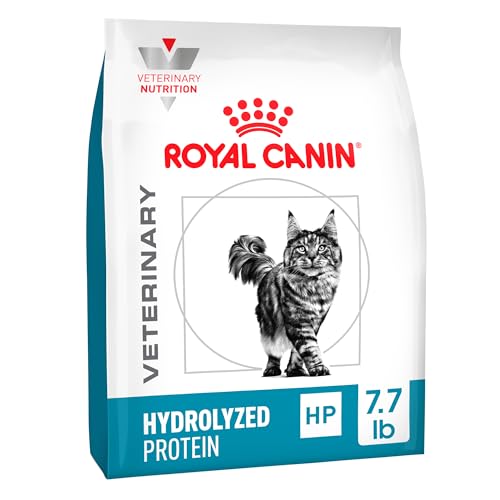
Our top pick is Hill’s Science Diet Sensitive Stomach & Skin Adult Cat Food, because it combines prebiotic fiber with highly digestible ingredients to reduce vomiting. For cats with food sensitivities, Royal Canin Veterinary Diet Hydrolyzed Protein is a great choice, but requires a vet prescription. If you prefer a grain-free option, Blue Buffalo Basics Limited Ingredient Diet is a solid alternative.
What to consider for Cat Food For Vomiting Cats
Vomiting in cats can stem from many causes: dietary indiscretion, food allergies, hairballs, or underlying health issues like pancreatitis or inflammatory bowel disease. Before changing food, a vet visit is essential to rule out serious conditions. Once cleared, focus on foods with a single novel protein source, limited ingredients, and added prebiotics or probiotics to support gut health. Avoid foods with artificial additives, excessive fat, or common allergens like chicken, beef, or dairy. Wet food can be easier to digest and helps maintain hydration, which is especially important if vomiting causes fluid loss.
What to look for in a cat food
Look for an AAFCO statement confirming the food is complete and balanced for your cat’s life stage (kitten, adult, or senior). The first ingredient should be a named meat (e.g., chicken, salmon) to ensure high-quality animal protein. Cats require taurine, an essential amino acid; check that it is added. Moisture content matters: wet food (78% moisture) supports urinary health and hydration, while dry food (10% moisture) is more calorie-dense. For vomiting cats, limited ingredient diets or hydrolyzed protein formulas can reduce allergic reactions. Also consider fiber sources like pumpkin or psyllium to help regulate digestion.
How we chose these picks
- Evaluated ingredient lists for named protein sources and limited additives.
- Checked for AAFCO nutritional adequacy statements for the appropriate life stage.
- Prioritized formulas with prebiotics, probiotics, or added fiber for digestive health.
- Considered brand reputation and history of quality control.
- Reviewed customer feedback for effectiveness in reducing vomiting.
- Included options across different price points and food types (dry, wet, limited ingredient).
- Consulted veterinary nutrition guidelines for sensitive stomachs.
- Never ranked a product higher just because it pays a commission.
What to avoid
- Foods with unnamed meat sources (e.g., “meat meal” or “poultry by-product”) as they may contain allergens.
- Diets with insufficient animal protein or lacking taurine supplementation.
- Defaulting to all-life-stages food for a kitten or senior without checking if it meets their specific needs.
- Abrupt diet switches; always transition over 7 to 10 days to avoid further stomach upset.
For more advice, explore our cat guides, including cat food and cat health resources.