Quick answer
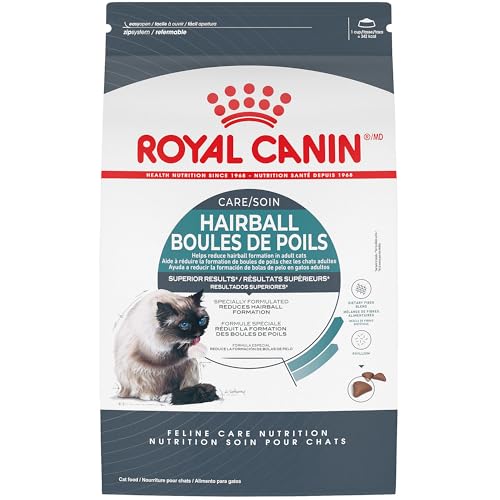
Our editorial team recommends Royal Canin Hairball Care Dry Cat Food as the best overall for hairball management due to its precise fiber blend and balanced nutrition. For cats with sensitive stomachs, Hill’s Science Diet Hairball Control is a close runner-up. If you prefer wet food, Purina Pro Plan Hairball Management offers excellent moisture and fiber. Budget-conscious owners should consider Iams ProActive Health Hairball Care.
What to consider for Cat Food For Hairballs
Hairballs form when cats ingest loose fur during grooming, and the fur accumulates in the digestive tract. A diet high in insoluble fiber helps move hair through the system, while soluble fiber supports gut health. Look for foods with named meat as the first ingredient to ensure high digestibility. Omega-3 and omega-6 fatty acids promote a healthy coat, reducing shedding. Always choose a complete and balanced formula for your cat’s life stage.
What to look for in a cat food
First, ensure the food meets AAFCO nutritional standards for your cat’s life stage (kitten, adult, or senior). A named animal protein (e.g., chicken, salmon) should be the first ingredient, providing essential amino acids like taurine. Adequate moisture content is important for urinary health; wet foods typically contain 75-85% moisture. For hairball control, look for added fiber sources such as psyllium, cellulose, or beet pulp. Avoid foods with excessive carbohydrates or fillers.
How we chose these picks
- Evaluated fiber content and type for hairball control
- Checked that first ingredient is a named meat source
- Ensured AAFCO complete and balanced statement for appropriate life stage
- Reviewed ingredient lists for artificial additives and fillers
- Considered brand reputation and manufacturing quality standards
- Compared price per pound to assess value
- Read customer feedback on palatability and hairball reduction
- Never ranked a product higher just because it pays a commission
What to avoid
- Foods with no named meat or too little animal protein (e.g., by-products listed vaguely)
- A taurine-deficient recipe or one that doesn’t guarantee adequate taurine levels
- Defaulting to all-life-stages food for a senior or kitten without checking specific needs
- Abrupt diet switches; transition gradually over 7-10 days to avoid digestive upset
For more guidance, explore our cat guides, cat food reviews, and cat health tips.


