Quick answer
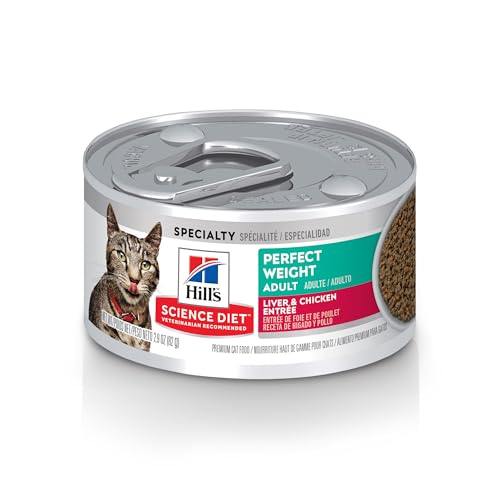
The best cat food for British Shorthairs is Royal Canin British Shorthair Adult Dry Cat Food, formulated specifically for the breed’s unique needs. It features tailored kibble shape for easy chewing, balanced nutrients for heart and bone health, and controlled calorie content to help manage weight. For owners seeking a wet food option, Hill’s Science Diet Adult Perfect Weight Canned Cat Food is excellent for weight management. If you need a budget-friendly choice, Purina ONE Healthy Weight Dry Cat Food provides solid nutrition at a lower price.
What to consider for Cat Food For British Shorthairs
British Shorthairs have a sturdy, muscular build and a dense coat, requiring a diet rich in animal protein (at least 40% on a dry matter basis) to maintain muscle mass and coat quality. They are prone to obesity, so calorie density should be moderate (around 350 to 400 kcal per cup for dry food). Additionally, their brachycephalic facial structure can make eating difficult; larger, flat kibble shapes are easier to pick up and chew. Urinary health is also a concern, so adequate moisture (from wet food or added water) and controlled magnesium levels are important. Omega-3 and omega-6 fatty acids support skin and coat health. Life stage matters: kittens need higher protein and DHA for development, while seniors benefit from joint-supporting nutrients like glucosamine.
What to look for in a cat food
When choosing cat food for a British Shorthair, ensure it meets AAFCO nutrient profiles for the appropriate life stage (growth, maintenance, or all life stages). The first ingredient should be a named animal protein source (e.g., chicken, salmon, or turkey). Animal protein should be high (over 30% crude protein minimum) and include taurine, an essential amino acid for heart and eye health. Moisture content is important: wet food (78% moisture) supports urinary tract health, while dry food (10% moisture) is convenient but requires ample fresh water. For weight management, look for controlled fat (around 12 to 15%) and fiber (3 to 5%) to promote satiety. Avoid foods with artificial colors, flavors, or preservatives. Consider life-stage-specific formulas: kitten foods have higher protein and DHA; senior foods often include joint supplements and lower phosphorus for kidney health.
Find the right food for your cat’s needs
The picks above suit a healthy adult British Shorthair. For a specific life stage or health need, use these focused guides.
- Seniors: see our guide to the best British Shorthair food for senior cats.
- Sensitive stomachs: see our guide to the best British Shorthair food for sensitive stomachs.
Which food type is best?
Dry, wet, fresh, raw and dehydrated foods can all work for a British Shorthair. The right one depends on your budget, your cat’s preferences and any health needs.
- Dry: most economical and convenient, and the crunch helps clean teeth.
- Wet: higher moisture and often more palatable, useful for fussy eaters or as a topper.
- Fresh and gently cooked: minimally processed with recognisable ingredients, at a higher cost.
- Raw and freeze-dried raw: high protein and minimally processed; handle safely and ask your vet first.
Getting the best value
The cheapest bag is not always the best value. A quality food that keeps your British Shorthair lean, with a healthy coat and firm stools, often means fewer vet visits. Feed to a healthy body condition rather than the bag maximum, and choose a recipe built around quality animal protein.
How we chose these picks
- Evaluated ingredient lists for named animal protein as the first ingredient and high overall protein content.
- Checked calorie density to match the breed’s tendency toward obesity.
- Considered kibble shape and size for brachycephalic cats.
- Reviewed guaranteed analysis for taurine, omega fatty acids, and appropriate mineral levels.
- Selected products from reputable brands with AAFCO feeding-data reviews or formulation expertise.
- Included options across life stages (kitten, adult, senior) and formats (dry, wet).
- Prioritized products with positive owner feedback for British Shorthairs specifically.
- Never ranked a product higher just because it pays a commission.
What to avoid
- Avoid foods without a named meat source (e.g., “meat meal” or “poultry by-product” without specificity).
- Steer clear of recipes with low animal protein (under 30% crude protein) or that rely heavily on plant proteins.
- Do not choose a food that lacks a taurine guarantee; taurine deficiency can cause serious health issues.
- Avoid using an all-life-stages food for a kitten or senior without verifying it meets their specific needs (e.g., higher DHA for kittens, lower phosphorus for seniors).
- Do not abruptly switch foods; transition over 7 to 10 days to avoid digestive upset.
For more guidance, explore our cat guides, cat food, and cat health resources.