Quick answer
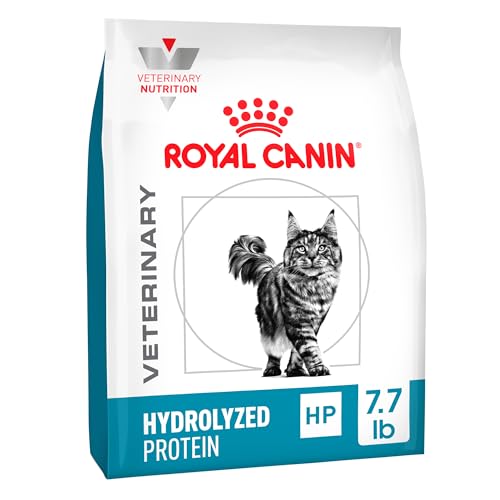
Our top pick for dry cat food for itchy skin is Hill’s Science Diet Sensitive Stomach & Skin. It features prebiotic fiber for digestive health and vitamin E plus omega-6 fatty acids for skin and coat. For a budget-friendly option, Purina Pro Plan Sensitive Skin & Stomach offers similar benefits at a lower price. If your cat has severe food sensitivities, Royal Canin Veterinary Diet Hydrolyzed Protein is a great choice but requires a vet prescription.
What to consider for Dry Cat Food For Itchy Skin
Itchy skin in cats can stem from food allergies, environmental allergens, or nutritional deficiencies. When choosing a dry cat food, prioritize limited ingredient formulas that minimize potential triggers. Look for a single animal protein source (like chicken, salmon, or duck) and avoid common allergens such as corn, wheat, soy, and artificial additives. Omega-3 and omega-6 fatty acids (from fish oil or flaxseed) help reduce inflammation and support skin barrier function. Adequate moisture is also important; while dry food is convenient, consider supplementing with wet food or providing fresh water to support skin hydration. Always consult your veterinarian before making dietary changes, especially if your cat has chronic itching.
What to look for in a cat food
When selecting any cat food, ensure it carries an AAFCO statement of nutritional adequacy for your cat’s life stage (adult, kitten, or senior). The first ingredient should be a named meat source (e.g., chicken, salmon) to provide high-quality animal protein. Taurine is an essential amino acid for cats; the food must contain adequate levels (typically 0.1% on a dry matter basis). For dry food, moisture content is around 10%, so ensure your cat drinks enough water. Life-stage specific formulas are tailored to the unique needs of kittens, adults, or seniors. For itchy skin, additional beneficial ingredients include omega fatty acids, vitamin E, and probiotics for gut health.
How we chose these picks
- Reviewed ingredient lists for named animal proteins and limited fillers.
- Confirmed AAFCO nutritional adequacy for the appropriate life stage.
- Checked for added omega fatty acids and other skin-supporting nutrients.
- Evaluated brand reputation and history of quality control.
- Considered price per pound and value for the ingredient quality.
- Read customer feedback on palatability and digestive tolerance.
- Never ranked a product higher just because it pays a commission.
What to avoid
- Avoid foods with unnamed meat meals or by-products that could be low-quality protein sources.
- Steer clear of recipes with insufficient animal protein (less than 30% crude protein on a dry matter basis).
- Do not choose a food that lacks a guaranteed taurine level; taurine deficiency can cause serious health issues.
- Be cautious with all-life-stages formulas for kittens or seniors; they may not meet specific nutritional needs.
- Avoid abrupt diet switches; transition over 7 to 10 days to prevent digestive upset.
For more guidance, explore our cat guides, cat food, and cat health resources.