Quick answer
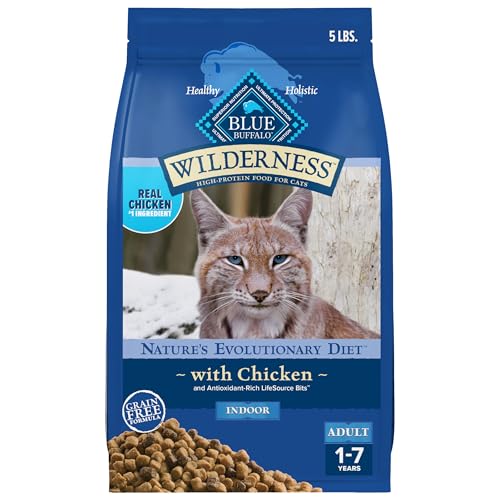
Our top pick for dry cat food for dry skin is Royal Canin Feline Health Nutrition Dry Food for Sensitive Skin. It’s formulated with omega-3 and omega-6 fatty acids to nourish skin and coat. For a budget-friendly option, Purina Pro Plan Sensitive Skin & Stomach offers similar benefits at a lower price. If your cat prefers grain-free, Blue Buffalo Wilderness provides high protein and omega fatty acids.
What to consider for Dry Cat Food For Dry Skin
Dry skin in cats can result from low humidity, poor diet, or underlying health issues. When choosing a dry food, look for named animal protein as the first ingredient, added omega-3 and omega-6 fatty acids (like fish oil or flaxseed), and vitamin E to support skin barrier function. Avoid foods with excessive fillers like corn or wheat, which offer little nutritional value. Always consult your veterinarian to rule out medical causes like allergies or parasites.
What to look for in a cat food
First, ensure the food meets AAFCO nutritional standards for your cat’s life stage (kitten, adult, or senior). Look for a named meat source (e.g., chicken, salmon) as the first ingredient, providing high-quality animal protein. Cats require taurine, an essential amino acid, so confirm it’s added. While dry food has lower moisture than wet, it can still support skin health if enriched with fatty acids. Choose a formula tailored to your cat’s age and health needs, such as sensitive skin or weight management.
How we chose these picks
- Reviewed ingredient lists for named animal protein as the first ingredient.
- Checked for guaranteed levels of omega-3 and omega-6 fatty acids.
- Ensured AAFCO nutritional adequacy statement for the appropriate life stage.
- Evaluated brand reputation and history of quality control.
- Considered price per pound to offer options across budgets.
- Read customer feedback on palatability and skin/coat improvements.
- Consulted veterinary nutrition guidelines for ingredient safety.
- Never ranked a product higher just because it pays a commission.
What to avoid
- Foods without a named meat source (e.g., “meat meal” or “poultry by-product”).
- Recipes with insufficient animal protein (below 30% crude protein on a dry matter basis).
- Diets lacking added taurine or with ambiguous taurine content.
- Using all-life-stages food for kittens or seniors without checking specific nutrient profiles.
- Abrupt diet switches; transition gradually over 7 to 10 days to avoid digestive upset.
For more guidance, explore our cat guides and related topics: cat food, cat health, cat care products.