Quick answer
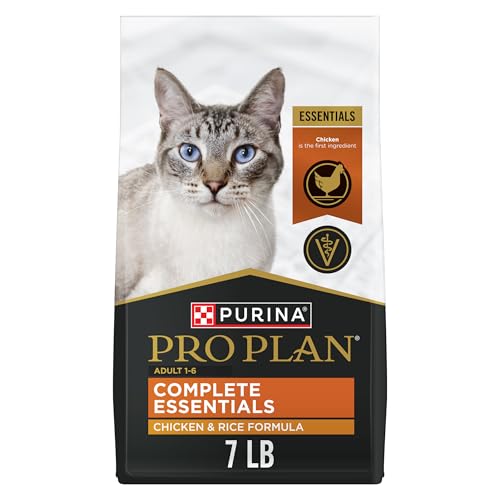
Our top pick is Royal Canin Bengal Adult Dry Cat Food, specifically formulated for the breed’s high energy and sensitive digestion. It offers tailored kibble shape and balanced nutrients. For a budget-friendly option with similar protein focus, consider Purina Pro Plan High Protein Chicken & Rice Formula. If your Bengal has a sensitive stomach, Hill’s Science Diet Sensitive Stomach & Skin is a great alternative.
What to consider for Dry Cat Food For Bengal Cats
Bengal cats are known for their athletic build, high activity levels, and playful nature. They require a diet rich in animal protein to support muscle maintenance and energy. Because Bengals can be prone to digestive sensitivities, especially to grains or fillers, a dry food with a limited ingredient list or easily digestible carbohydrates is beneficial. Additionally, Bengals have a lower risk of obesity compared to some breeds, but portion control is still important. Look for dry foods that list a named meat (like chicken or fish) as the first ingredient and contain moderate fat for sustained energy. Taurine, an essential amino acid, must be present to support heart and eye health. Finally, consider the kibble shape and size; Bengals may prefer a larger, textured kibble that encourages chewing.
What to look for in a cat food
When selecting any cat food, ensure it carries an AAFCO statement of nutritional adequacy for the appropriate life stage (adult maintenance for most Bengals). The first ingredient should be a named animal protein source, such as chicken, turkey, or fish. Cats are obligate carnivores and require high levels of animal protein and taurine. Taurine is critical for heart and eye health; it must be added to commercial cat foods because cats cannot synthesize enough on their own. Dry food typically contains less moisture than wet food, so ensure your Bengal drinks enough water. For life-stage suitability, choose a formula designed for adult cats unless you have a kitten or senior. Avoid foods with excessive carbohydrates or fillers like corn, wheat, or soy, which offer little nutritional value.
How we chose these picks
- Evaluated ingredient lists for high-quality animal protein as the first ingredient
- Checked for guaranteed taurine levels (at least 0.1% on a dry matter basis)
- Considered AAFCO nutritional adequacy statements for adult maintenance
- Reviewed customer feedback for palatability and digestive tolerance in active breeds
- Prioritized brands with a history of rigorous quality control and research
- Selected products available on Amazon with consistent positive ratings
- Included options at various price points to suit different budgets
- Never ranked a product higher just because it pays a commission
What to avoid
- Avoid foods where the first ingredient is a grain or by-product meal; they lack sufficient animal protein
- Steer clear of foods that do not list taurine in the guaranteed analysis or ingredient list
- Do not default to an all-life-stages food for a senior or kitten without checking if it meets their specific needs (e.g., lower phosphorus for seniors, higher DHA for kittens)
- Avoid abrupt diet switches; transition over 7 to 10 days by mixing increasing amounts of new food with old
For more guidance, explore our cat guides, cat food, and cat health resources.