Quick answer
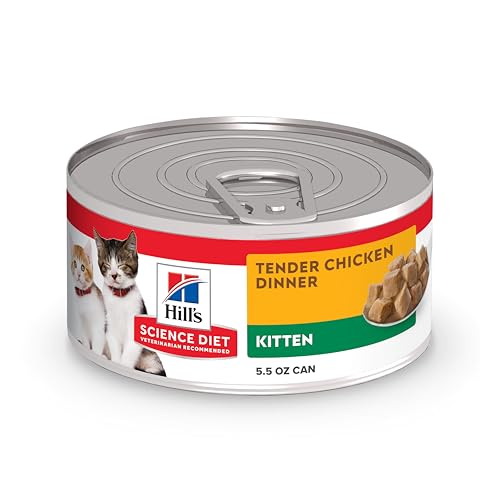
For most picky kittens, our top pick is Royal Canin Feline Health Nutrition Thin Slices in Gravy, because its strong aroma and tender texture appeal to fussy eaters. If your kitten needs a budget-friendly option, Purina Pro Plan Kitten Classic Chicken & Liver Formula offers high protein at a lower price. For kittens with sensitive stomachs, Hill’s Science Diet Kitten Chicken Recipe is a gentle choice.
What to consider for Kitten Food For Picky Cats
Picky kittens often refuse food due to texture, smell, or flavor. Wet food with a strong aroma and smooth gravy tends to be more enticing. Some kittens prefer pate, while others like shreds or chunks. It’s also important to ensure the food meets AAFCO standards for growth and contains high-quality animal protein. Avoid foods with artificial flavors or fillers that may reduce palatability.
What to look for in a cat food
Look for an AAFCO statement confirming the food is complete and balanced for growth (kittens) or all life stages. The first ingredient should be a named meat (e.g., chicken, salmon) to ensure high animal protein. Taurine is essential for heart and eye health; it must be present. For picky cats, wet food provides moisture and stronger smell, which can encourage eating. Ensure the food is appropriate for your kitten’s age and any health conditions.
How we chose these picks
- Evaluated ingredient lists for named meat sources and absence of artificial additives.
- Checked AAFCO nutritional adequacy statements for growth or all life stages.
- Considered palatability factors such as texture, aroma, and variety of flavors.
- Reviewed customer feedback on acceptance by picky kittens.
- Compared price per ounce to identify budget-friendly options.
- Prioritized brands with a history of rigorous quality control and research.
- Consulted veterinary nutrition guidelines for life-stage appropriate nutrition.
- Never ranked a product higher just because it pays a commission.
What to avoid
- Avoid foods with no named meat or with meat by-products as the first ingredient; they may lack palatability and quality.
- Steer clear of recipes that do not guarantee taurine levels; taurine deficiency can cause serious health issues.
- Do not default to all-life-stages food for a kitten without checking that it meets growth requirements; kitten-specific formulas are better.
- Avoid abrupt diet switches; transition over 7 to 10 days to prevent digestive upset.
For more guidance, see our cat guides and explore cat food and cat health resources.