Quick answer
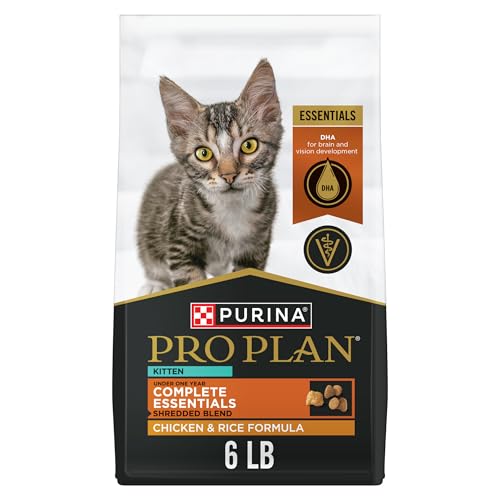
The best kitten food for vomiting cats is Royal Canin Feline Health Nutrition Kitten Loaf in Sauce, because its highly digestible proteins and balanced fiber help settle upset stomachs. For a budget-friendly alternative, Purina Pro Plan Kitten Chicken & Rice Formula offers great value. If your kitten prefers dry food, Hill’s Science Diet Kitten Healthy Development is a top pick.
What to consider for Kitten Food For Vomiting Cats
Vomiting in kittens can stem from dietary indiscretion, food allergies, or rapid eating. When choosing a food, prioritize limited ingredients, novel proteins, and easily digestible carbohydrates. Wet food often helps because it’s softer on the stomach and provides hydration. Avoid foods with artificial additives, and consider a formula with prebiotics or probiotics to support gut health. Always transition slowly over 7 to 10 days to avoid further upset.
What to look for in a cat food
Look for an AAFCO statement confirming the food is complete and balanced for kittens. The first ingredient should be a named meat source (e.g., chicken, turkey) to ensure high-quality animal protein. Adequate taurine (at least 0.1% on a dry matter basis) is essential for heart and eye health. Wet food provides moisture that supports urinary health and can be easier to digest. Choose a formula specifically designed for kittens, as their nutritional needs differ from adults.
How we chose these picks
- Evaluated ingredients for digestibility and limited filler content.
- Selected products with named meat as the first ingredient.
- Checked for AAFCO nutritional adequacy for kittens.
- Prioritized brands with a history of quality control and safety.
- Considered customer feedback on palatability and digestive tolerance.
- Included a range of textures (wet, dry) and price points.
- Focused on recipes with added prebiotics or probiotics for gut health.
- Never ranked a product higher just because it pays a commission.
What to avoid
- Foods with vague meat sources like “meat meal” or “by-products” as the first ingredient.
- Recipes that do not guarantee taurine levels or use artificial preservatives.
- All-life-stages formulas for kittens without verifying they meet kitten requirements.
- Abrupt diet changes; always transition slowly to avoid digestive upset.
For more help, check out our cat guides, cat food reviews, and cat health tips.