Quick answer
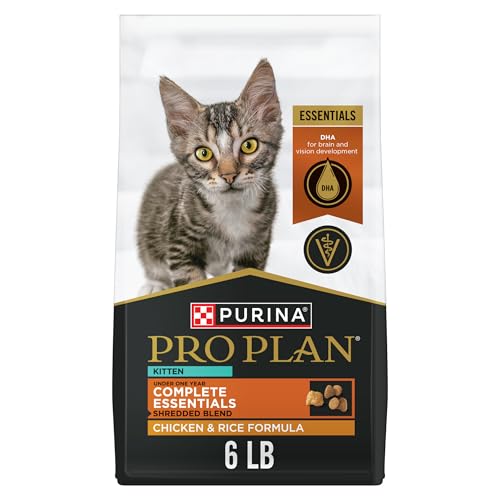
For most kittens with urinary concerns, Royal Canin Feline Health Nutrition Dry Food for Young Kittens is our top pick because it provides balanced minerals and supports urinary health from weaning onward. If your kitten prefers wet food, Hill’s Science Diet Wet Cat Food for Urinary Health offers high moisture to dilute urine. For budget-conscious owners, Purina Pro Plan Focus Kitten Food delivers solid urinary support at a lower price.
What to consider for Kitten Food For Urinary Health
Kittens have unique nutritional needs for rapid growth and development, and urinary health requires careful mineral balance. The key is to choose a food that is AAFCO-approved for growth (kittens) and formulated to maintain a healthy urinary pH and dilute urine. Look for controlled levels of magnesium, phosphorus, and calcium to reduce crystal formation. Moisture content is also critical; wet food helps increase water intake, which flushes the urinary tract. Always consult your veterinarian before making dietary changes for a kitten with a history of urinary issues.
What to look for in a cat food
When selecting a kitten food for urinary health, check for an AAFCO statement confirming it is complete and balanced for growth. The first ingredient should be a named meat source (e.g., chicken, salmon) to ensure high-quality animal protein. Taurine is an essential amino acid for cats; the food must contain adequate taurine (typically at least 0.1% on a dry matter basis). Wet food is often recommended for urinary health because its high moisture content (around 78%) helps dilute urine and reduce concentration of minerals. Additionally, the food should be specifically formulated for kittens, as their calcium-to-phosphorus ratio and calorie density differ from adult foods.
How we chose these picks
- Evaluated ingredient lists for named meat as first ingredient and absence of artificial additives.
- Verified AAFCO nutritional adequacy statement for growth or all life stages.
- Checked for guaranteed analysis showing appropriate protein, fat, and taurine levels for kittens.
- Reviewed manufacturer’s reputation and history of safety recalls.
- Considered palatability and texture options (dry, wet, or both) to suit picky eaters.
- Focused on formulations specifically marketed for urinary health or with balanced minerals.
- Compared price per ounce to ensure value for the nutritional quality.
- Never ranked a product higher just because it pays a commission.
What to avoid
- Avoid foods with unnamed meat or meat by-products as the first ingredient; they indicate lower quality protein.
- Steer clear of recipes that do not list taurine in the guaranteed analysis or ingredients; taurine deficiency can cause heart and eye problems.
- Do not default to all-life-stages food for a kitten without checking that it meets growth requirements; some all-life-stages foods may not have the right calcium-to-phosphorus ratio.
- Avoid abrupt diet switches; transition over 7 to 10 days to prevent digestive upset.
For more guidance, explore our cat guides, cat food reviews, and cat health articles.